How to Lose Weight When You Absolutely Hate Cooking
Apple Podcast - Spotify - YouTube
Want to lose weight but hate cooking? Girl, I hear you! Maybe you've spent decades feeding your family, and the last thing you want to do is figure out another meal. Or maybe you've never enjoyed cooking, and all those complicated recipes make staying on your Trim Healthy Mama plan feel like another full-time job.
You want to lose weight, get rid of that stubborn belly fat, build muscle, and feel good in your clothes again. But does getting there really have to involve chopping 14 vegetables, washing three pans, and spending your Sunday afternoon meal prepping?
Absolutely not! I've got some easy healthy meal ideas and simple meal prep ideas that can help you stay consistent with your Trim Healthy lifestyle without practically living in the kitchen.
As a Trim Healthy Mama Executive Coach, personal trainer, and menopause fitness specialist, I work with women who know what they should be eating but struggle to make it happen consistently. And s...
Easy Healthy Meal Ideas You’ll Actually Want to Eat Again
Apple Podcast - Spotify - YouTube
Have you ever sat down to another plate of plain chicken and steamed broccoli and thought, "I cannot keep eating like this"? You want to lose weight, get rid of stubborn belly fat, and feel good in your clothes again, but somewhere along the way, healthy eating started feeling like a punishment.
If you've been following Trim Healthy Mama for a while, you know how to put together a healthy meal. But knowing what to eat and actually enjoying it are two different things! Today, I'm sharing some of my favorite easy healthy meal ideas, simple meal prep ideas, and mindset shifts that can help you enjoy your food while continuing to work toward your weight loss goals.
We're talking flavorful vegetables, satisfying meals, delicious Trim Healthy desserts, eating out, and making healthy choices that you actually want to repeat. Because if you're going to make this a lifestyle, you might as well enjoy what you're eating!
Why Enjoying Healthy Food ...
5 Negative Thoughts Keeping You Stuck (And How to Flip Them)
Apple Podcast - Spotify - YouTube
Have you ever caught yourself thinking, "I just can't lose weight anymore," or "I know what to do, but I can't seem to make myself do it"? These negative thoughts can become so familiar that we don't even recognize how much they're influencing our choices. And when you're already dealing with stubborn belly fat, shifting hormones, and the challenges of losing weight after 40, the last thing you need is a mindset that's making consistency even harder.
I've coached so many women who know their Trim Healthy Mama plan inside and out. They understand S and E meals, know how important protein is, and recognize that strength training matters. Yet they still struggle to follow through consistently, especially when the scale doesn't move or life gets stressful.
I understand that frustration because I've had to work through some of these same thought patterns myself. As a Trim Healthy Mama Executive Coach, personal trainer, and Menopause Fitness Special...
How to Change Your Mindset When the Scale Won’t Move
Apple Podcast - Spotify - YouTube
Have you ever worked really hard to lose weight, followed your Trim Healthy Mama plan, stayed consistent with your workouts, and then stepped on the scale only to discover that NOTHING has changed?
Ugh! Talk about frustrating.
And what happens next? Your mind starts talking.
“Nothing works for me.”
“I've been doing everything right!”
“Why do I even bother?”
Friend, I want you to pay attention to those thoughts because they may be influencing what happens next in your weight loss journey.
One of the most powerful things I've learned as a Trim Healthy Mama Executive Coach, personal trainer, and Menopause Fitness Specialist is how to change your mindset when discouragement starts creeping in.
I've used these tools in my own life for years, and they've completely changed the way I coach women who feel stuck.
Today, I want to show you how your thoughts influence your feelings, your actions, and ultimately, the results you create. We're also ...
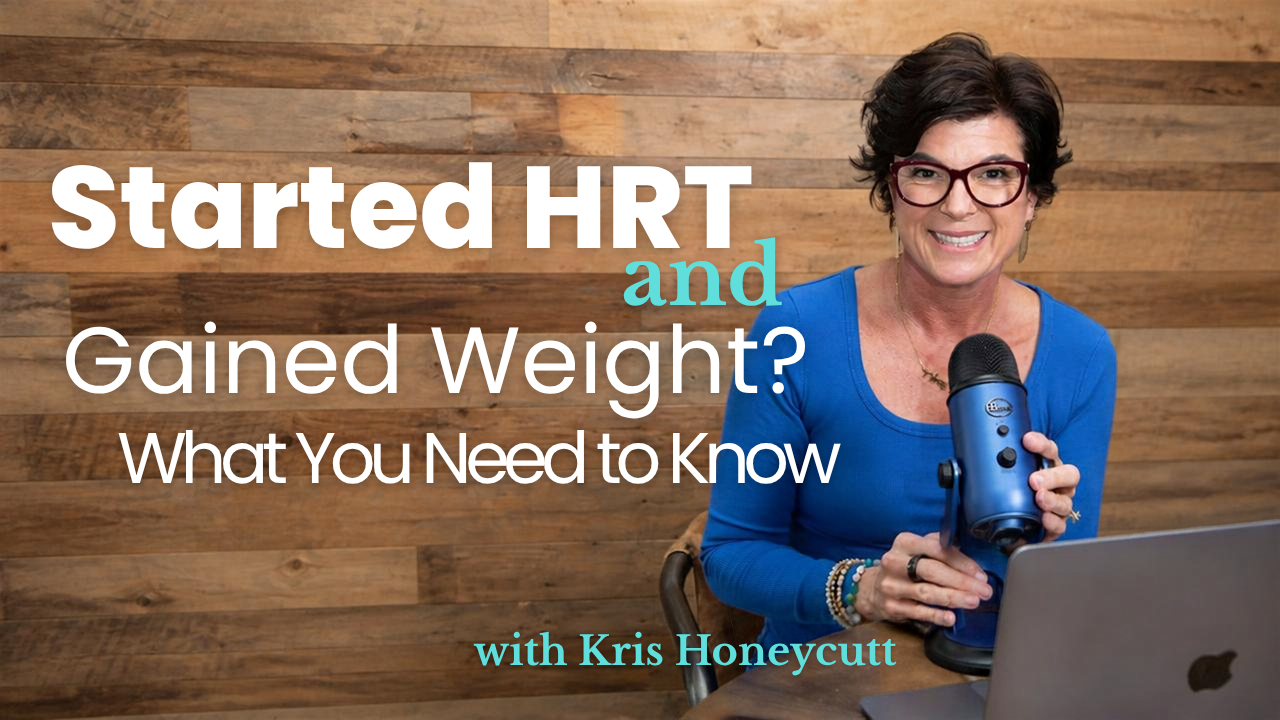
Started HRT and Gained Weight? What You Need to Know
Apple Podcast - Spotify - YouTube
Have you ever looked down at your belly and thought, Where in the world did that come from?
Maybe you're eating pretty much the same way you've always eaten. You're trying to exercise, watching your portions, and doing your best to follow Trim Healthy Mama. But the scale keeps creeping up, your jeans feel tighter around the middle, and you're beginning to wonder if your hormones are working against you.
And then someone suggests hormone replacement therapy (HRT).
Wait a minute. If you're already dealing with perimenopause weight gain, hormonal imbalance, and stubborn belly fat, could adding hormones actually make things worse?
Ladies, this is a question I hear all the time, and it's one worth digging into.
Today, we're going to look at what the research says about HRT and weight gain, why your body may be storing more fat around your middle, and what you can do to support fat loss and build lasting muscle during menopause.
Because I want y...
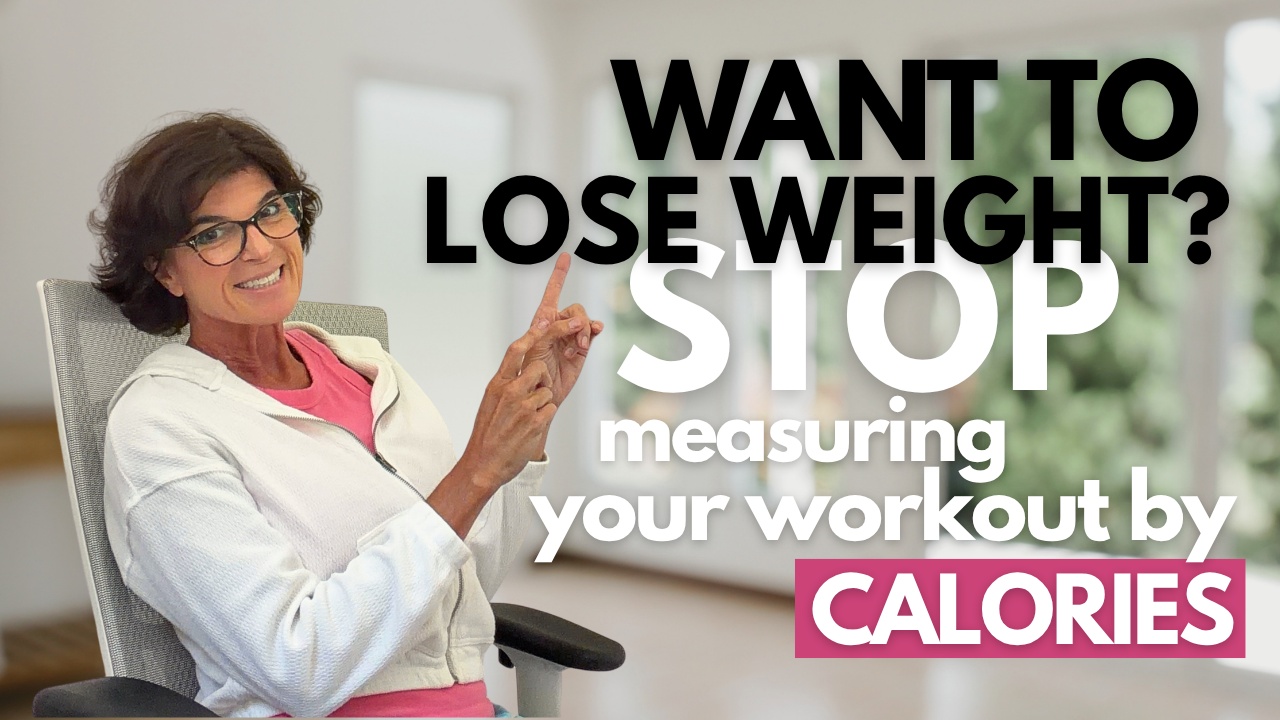
Want to Lose Weight? Stop Measuring Your Workout by Calories
Apple Podcast - Spotify - YouTube
Have you ever finished a workout drenched in sweat, looked at your watch, saw that you burned hundreds of calories and thought, Surely that had to help me lose weight? For years, women were taught that exercise for weight loss meant doing more cardio, burning more calories and eating less. But if you’re over 40 and doing all the things without seeing the changes you want, it may be time to look at strength training to lose weight in a completely different way.
That doesn’t mean cardio is bad or that walking suddenly doesn’t count. I walk, I play pickleball, and I want my ladies moving their bodies. But exercise is about much more than how many calories you can burn in 45 minutes. Strength training gives your body a reason to build and protect muscle, and that becomes incredibly important during perimenopause, menopause and the years that follow.
At this stage of life, I don’t simply want us chasing a smaller number on the scale. I want us losi...
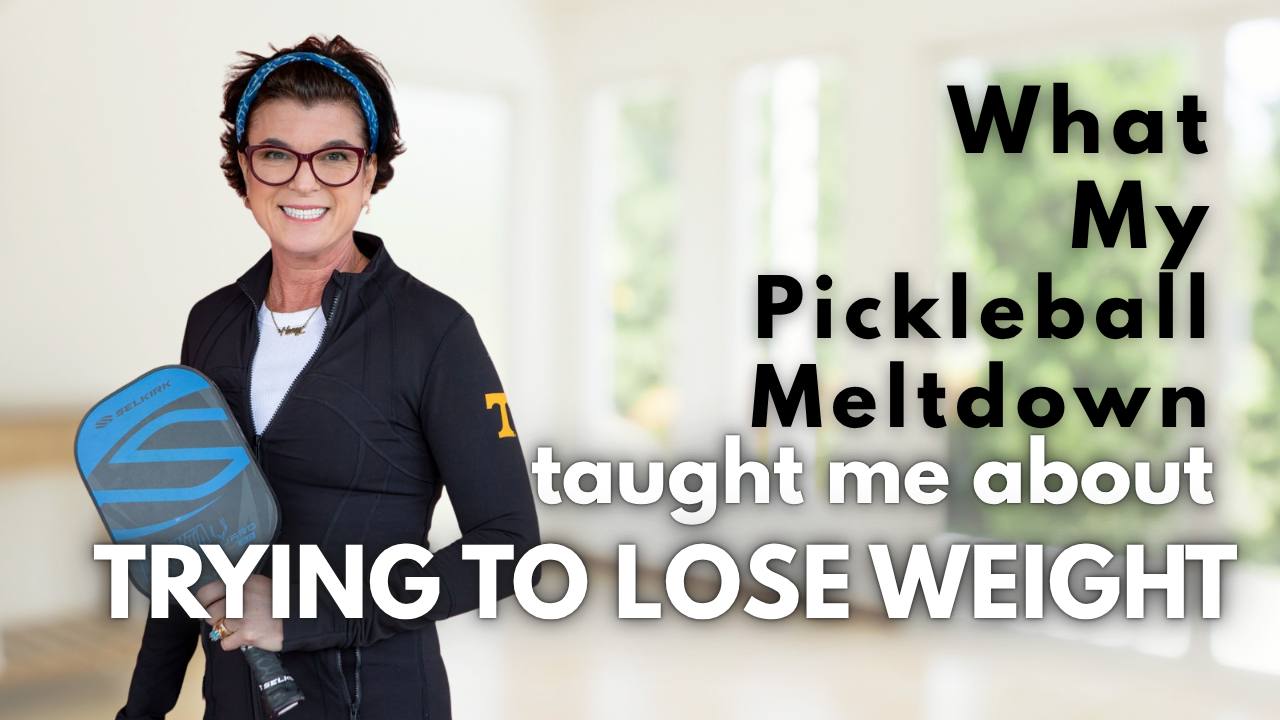
What My Pickleball Meltdown Taught Me About Trying to Lose Weight
Apple Podcast - Spotify - YouTube
If you’re trying to lose weight in perimenopause or menopause, you probably spend a lot of time thinking about food, protein, exercise, hormones, sleep, and whether you’re doing everything right. All of those things matter, but there’s another piece of the weight loss puzzle we can’t ignore: our mindset.
God reminded me of that recently in a place I wasn't expecting—the pickleball court. I had one of those moments where I could feel myself getting angry, I knew my attitude was going downhill, and instead of stopping it, I just let it go. A few days later, I was reading Romans 8 and one phrase jumped out at me: we are no longer obligated to live according to our old nature. That word obligated got my attention because an obligation is something you owe. I realized I don't owe my old patterns another response just because they show up.
What Pickleball Taught Me About Mindset
I have this little problem when I play pickleball against my husb...
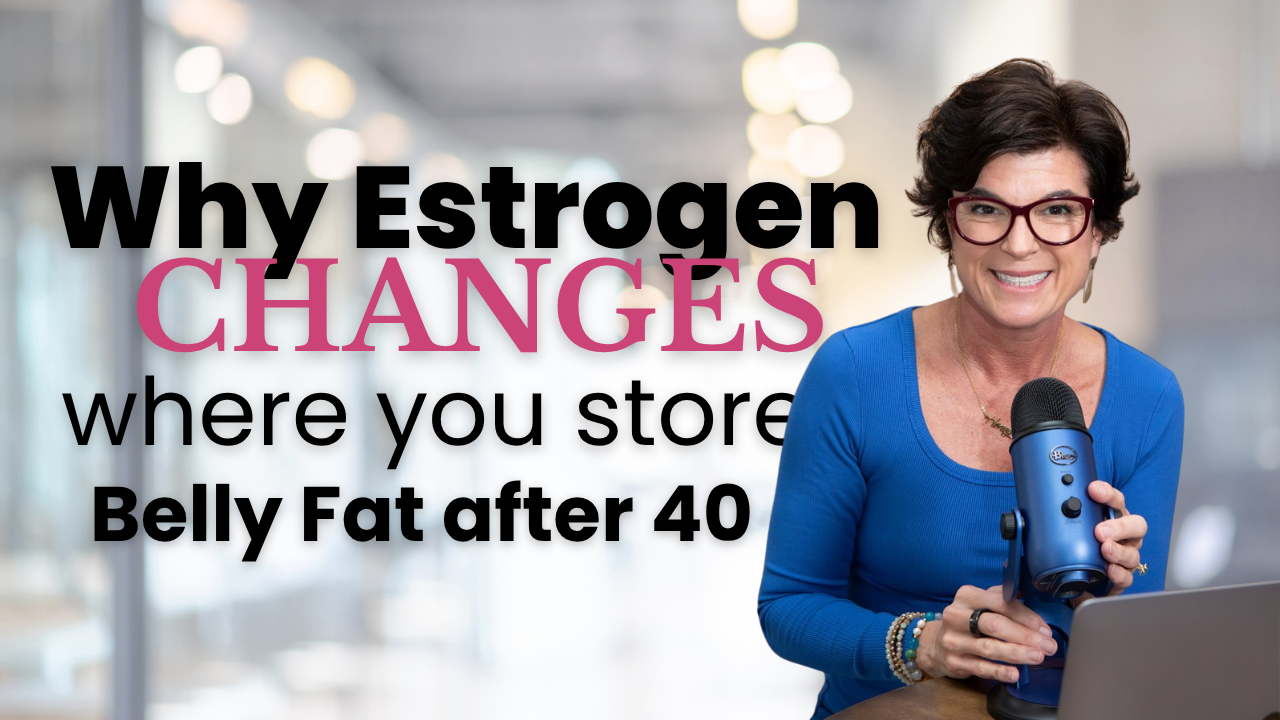
Why Estrogen Changes Where You Store Belly Fat After 40
Apple Podcast - Spotify - YouTube
Have you ever looked at your stomach and thought, “Wait a minute. I haven’t even gained that much weight. Why does my body look so different?” Maybe the scale is only up five pounds—or maybe it hasn’t changed much at all—but your jeans are tighter around the waist and you’re noticing more softness through your middle.
If you’re in your 40s, 50s or beyond, there is a very real reason this can happen. One of the big players is estrogen.
As estrogen begins fluctuating during perimenopause and eventually settles at a lower level after menopause, we can see changes in body composition and where our bodies prefer to store fat. That means belly fat after 40 isn’t always as simple as, “Well, I must be eating too much.”
Understanding this doesn’t mean we blame everything on our hormones and throw our hands in the air. It means we learn what’s happening so we can stop throwing random solutions at our bodies and start using strategies that actually make...
Want Less Belly Fat? Stop Throwing Away Your Good Weeks
Apple Podcast - Spotify - YouTube
Have you ever finished a week and thought, “Well, that wasn’t very impressive”?
You planned three strength training workouts but only completed two. You meant to walk every day, but you walked three times. You started with a beautiful Trim Healthy breakfast and a protein-centered lunch, and then dinner went completely sideways.
By the end of the week, you’re tempted to dismiss the whole thing because you didn’t follow your plan perfectly.
But those healthy habits still counted.
This matters when you’re trying to lose belly fat during perimenopause, menopause, or post-menopause. Your body may not give you the quick feedback it once did, but that doesn’t mean your consistent choices aren’t creating change.
Your Healthy Habits Are Building Something
Earlier in life, you may have been able to tighten things up for a week or two and see the scale move. You exercised a little harder, cut back on a few things, and your jeans started feeling ...
What If Eating Less Is Keeping Your Belly Fat Stuck?
Apple Podcast - Spotify - YouTube
If you’re trying to lose weight, struggling with stubborn belly fat, or wondering whether a hormone imbalance is working against you, your first instinct may be to eat less.
Maybe you need fewer carbs. Less fat. More Fuel Pulls. A longer fasting window. No nuts. No bread. And while you’re at it, perhaps you should add another workout just to be safe.
That is usually where our brains go when the scale stops moving.
We ask, “What else can I take away?”
But what if your next step isn’t more restriction? What if your midlife body actually needs to be better nourished?
Now, before anyone starts slathering butter all over her oatmeal and announces, “Coach Kris told me to do this,” hang in there with me. 😂 I’m not talking about adding hundreds of random calories or turning every meal into a free-for-all.
I’m talking about strategically giving your body more quality fuel—and paying attention to how it responds.
Are You Eating Too Little to Los...
Ready for more real talk, fat loss tips, and hormone support made for midlife women?
Author
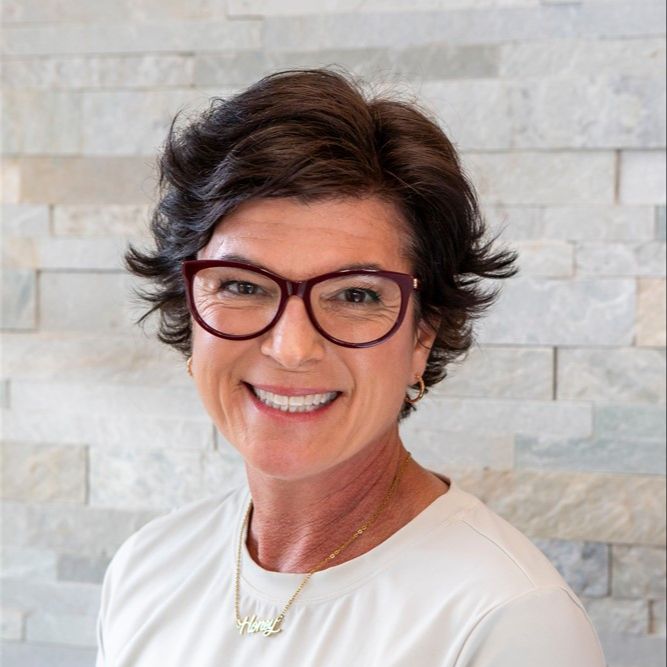
Kris Honeycutt
I’m a Trim Healthy executive coach, menopause fitness specialist, and personal trainer helping women over 40 lose stubborn weight, balance hormones, and feel confident in midlife bodies. Around here, we ditch diet drama and build real results—one wise, grace-filled step at a time.
Recent Posts

Join my Tribe today
How do you make Trim Healthy your lifestyle eating plan?
By getting community & coaching support.
Real change happens with accountability and habits. You get both inside Get Your Trim On Tribe Membership.
Get Your Trim On Store
Products that I have created to help you be successful in your Trim Healthy Mama journey.
What does Coach Kris buy from the THM store?
I am an official THM store affiliate and may earn a commission from purchases made through this link.
Baobab - Optimized Plant Protein - Optimized Whey Protein - Essential Amino Acids - No Carb Easy Bread
