4 Slimming Strategies: Eat Your Way to a Trim Midlife Belly

https://www.purple-planet.com/
If you’re feeling frustrated by your jeans feeling tighter or loosening your belt another notch, then you aren’t alone. A woman’s body goes through multiple changes between the ages of 40 and 60. Some of these changes you’ll notice (weight gain) and others you won’t (higher cortisol).
But often the result of both is the same - needing to buy larger jeans and an increased muffin top.
Dealing with stubborn weight and a wider waistline was not my dream for midlife and I doubt it is yours. So let me walk you through 4 Strategies you can start to move toward a trim belly in midlife.
The Mindset Shift: Understanding the Power of Nutrition
There are specific reasons why we gain weight in midlife. Menopause isn’t all to blame.
Age-related factors like decreased estrogen, loss of muscle mass, and increase in cortisol levels all play a part in the fat packing around your middle.
You don’t have control over your estrogen without help b...
Why is it so hard to lose weight?

Getting older isn’t all bad, in fact there are so many good things about increasing age. But weight gain, increased belly fat and stubborn weight are not a “good” part of getting older. Let’s discover the reasons behind the extra weight and why it can be so hard to lose.
It’s all about hormones. As women, we have been gifted with a plethora of amazing hormones, moving into the menopause season of life causes those hormones to start shifting to new levels. This shift is usually at the root of most of your frustration with weight loss.
While there are a ton of changes you can make on a daily basis to your diet and lifestyle I would highly recommend that you find a Functional medicine doctor to work with you so you can know the hard data behind your symptoms.
Here are some of the key areas to investigate for optimal fat loss:
- Declining Estrogen levels - can cause your cortisol & androgen levels to increase. While hormonal balance isn’t possible, you can support your body and hor ...
How to Reduce Inflammation for Weight Loss After 40

How Inflammation Keeps You Stuck—and How to Finally Lose the Belly Fat in Menopause
Let’s talk about something that no amount of sit-ups can fix: inflammation.
If you feel like you’re doing all the things—eating healthy-ish, working out, trying to manage your hormones—but you’re still stuck with stubborn belly fat, this post is for you.
Because here’s the truth:
You can’t lose fat when your body is inflamed.
And in midlife? Inflammation and hormones are more connected than most women realize.
The Estrogen-Inflammation-Belly Fat Triangle
As we age, estrogen levels naturally decline. That’s just part of perimenopause and menopause. But lower estrogen doesn’t just affect your cycle—it affects your entire inflammatory response.
When estrogen drops:
-
Inflammation increases
-
Belly fat becomes harder to lose
-
And the more belly fat you carry, the more inflammation your body produces
It becomes a frustrating cycle—and unless you address the root cause, it just keeps ...
7 Sneaky Signs of Inflammation Every Midlife Woman Should Know
This post contains affiliate links to products. I may receive a commission for purchases made through these links.
Inflammation isn’t always loud. It doesn’t always come with a fever, swelling, or pain that stops you in your tracks. Sometimes it whispers.
And those whispers?
They often sound like:
-
“I’m so tired… even after 8 hours of sleep.”
-
“Why am I bloated again?”
-
“I can’t think straight lately.”
-
“What’s with these random breakouts?”
If you're in perimenopause or menopause and feeling off, there's a good chance inflammation is playing a role.
Here’s the truth: Chronic inflammation is one of the biggest underlying causes of hormone imbalance, weight gain, and fatigue in midlife—and most women have no idea it’s happening.
1. Brain Fog
That fuzzy, can’t-focus feeling isn’t just “getting older.”
Brain fog, forgetfulness, and trouble concentrating are often the first subtle signs that inflammation is disrupting your nervous system and hormone function....
Ready for more real talk, fat loss tips, and hormone support made for midlife women?
Author
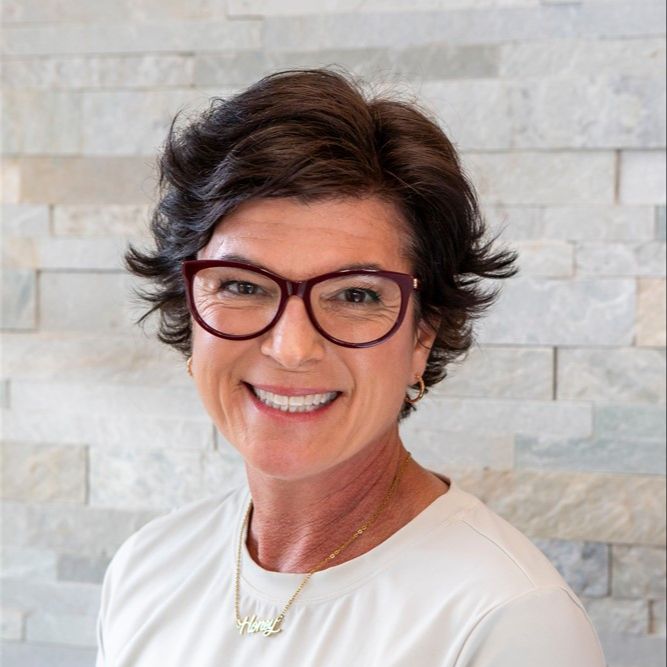
Kris Honeycutt
I’m a Trim Healthy executive coach, menopause fitness specialist, and personal trainer helping women over 40 lose stubborn weight, balance hormones, and feel confident in midlife bodies. Around here, we ditch diet drama and build real results—one wise, grace-filled step at a time.
Recent Posts

Join my Tribe today
How do you make Trim Healthy your lifestyle eating plan?
By getting community & coaching support.
Real change happens with accountability and habits. You get both inside Get Your Trim On Tribe Membership.
Get Your Trim On Store
Products that I have created to help you be successful in your Trim Healthy Mama journey.
What does Coach Kris buy from the THM store?
I am an official THM store affiliate and may earn a commission from purchases made through this link.
Baobab - Optimized Plant Protein - Optimized Whey Protein - Essential Amino Acids - No Carb Easy Bread
