The Truth About Visceral Belly Fat in Menopause

Apple Podcast - Spotify - YouTube
There comes a moment for so many women in midlife where they look down and think, “Where did this belly come from?”
Maybe your stomach feels thicker now. Harder. Puffier around the middle. Maybe the things that used to help you lose weight suddenly don’t seem to work anymore. You clean up your eating, skip a few meals, try to “be good,” and somehow your body still feels stuck.
If that sounds familiar, I want you to know this: your body is changing because your hormones are changing. And understanding the difference between visceral belly fat and subcutaneous fat can completely change the way you approach belly fat burning after 40.
This is one of the biggest mindset shifts I teach women inside my coaching because once we understand what’s happening physiologically, we stop approaching midlife weight loss with shame and start approaching it with wisdom.
What Is Visceral Belly Fat?
Most women think all belly fat is the same, but it’s not.
Subcutaneous fat is the softer, pinchable fat directly underneath the skin. It’s the fat you can physically grab. While we may not love it, this type of fat is generally more cosmetic in nature.
Visceral belly fat is different.
Visceral fat sits deeper inside the abdominal cavity around your organs. This is the type of fat connected to inflammation, insulin resistance, blood sugar dysfunction, hormonal imbalance, and increased health risks during menopause.
This is also why your belly can start feeling firmer or more rounded during perimenopause and menopause.
For many women, this body change seems to happen overnight. One day your jeans fit normally, and the next your waistline feels completely different. But what’s actually happening is that your hormones are shifting and fat storage patterns are changing with them.
Why Belly Fat Changes During Perimenopause
Before menopause, estrogen helps direct fat storage toward the hips, thighs, and other more “feminine” areas of the body.
But as estrogen declines during perimenopause, your body begins redistributing fat toward the abdomen instead.
That’s why so many women say:
“I never really carried weight in my stomach until my 40s.”
This is not simply a willpower problem.
There are real physiological changes happening inside your body that impact metabolism, insulin sensitivity, inflammation, muscle mass, and stress response. Understanding that can remove so much unnecessary guilt from the process of trying to lose weight in midlife.
And honestly, I think a lot of women need to hear that.
Because many women are trying incredibly hard. They’re eating “healthy.” They’re walking. They’re skipping meals. They’re trying every strategy they can think of, yet their belly still feels stuck.
Your midlife body simply requires a different strategy now.
The Difference Between Visceral Fat and Subcutaneous Fat
One of the most important things to understand is that visceral belly fat is metabolically active.
That means it actively influences your hormones, inflammation, blood sugar, and fat storage patterns. It’s not just sitting there passively.
Subcutaneous fat is more like stored energy underneath the skin. Visceral fat is tied directly to metabolic health.
That’s why focusing only on calories or the number on the scale often leaves women frustrated. Midlife weight loss becomes less about punishing your body and more about supporting your metabolism and hormones.
This is also why belly fat burning after 40 requires a more balanced approach.
Not a harsher one.
What Causes Visceral Belly Fat?
There are several things that contribute to visceral belly fat during menopause and perimenopause.
Some of the biggest contributors include:
- Chronic stress
- Elevated cortisol
- Poor sleep
- Blood sugar instability
- Muscle loss
- Sedentary lifestyle
- Hormone shifts
- Inflammation
- Insulin resistance
Unfortunately, many women respond to these symptoms by doing more of the exact things that worsen the problem.
They under-eat.
They skip meals.
They aggressively fast.
They overexercise.
They cut carbohydrates too low.
They survive on coffee and stress.
And all of those things can push the nervous system into an even more stressed state.
I see this all the time with midlife women who feel exhausted, inflamed, and discouraged because they’re trying harder than ever and getting fewer results.
Belly Fat Burning Requires Muscle
One of the most overlooked tools for belly fat burning is building muscle.
Not because we’re trying to “bulk up,” but because muscle improves metabolic health.
Muscle helps improve insulin sensitivity. It helps your body use glucose more effectively. It supports metabolism, lowers inflammation over time, and creates a healthier hormonal environment.
This is why strength training matters so much after 40.
So many women rely only on walking or cardio, but midlife metabolism responds incredibly well to resistance training. Even two to three strength sessions per week can begin improving body composition and overall energy.
And no, you do not have to become a bodybuilder to benefit from this.
Simple compound movements like squats, lunges, rows, presses, and deadlifts can create tremendous metabolic support over time.
Why Protein for Weight Loss Matters More After 40
If there is one thing I wish more midlife women understood, it’s how important protein for weight loss becomes during menopause.
Protein supports muscle retention, blood sugar balance, fullness, metabolism, and recovery. Without enough protein, it becomes much harder to maintain muscle and support fat burning.
Many women are drastically under-eating protein without realizing it.
Aiming for around 25–30 grams of protein at meals can make a huge difference in energy, cravings, hunger, and body composition over time.
This is one reason I love the Trim Healthy approach so much. It naturally encourages balanced meals built around protein, fiber, healthy fats, and strategic carbohydrates instead of extremes.
Your body does not need more punishment.
It needs better support.
Walking After Meals Is Incredibly Underrated
This small habit helps improve blood sugar response, supports digestion, lowers stress, and gently increases daily movement without overstressing the body.
And honestly, this is where midlife women often thrive best.
Not with punishing workouts.
Not with hours of cardio.
But with consistency.
Strength train.
Walk daily.
Support blood sugar.
Eat balanced meals.
Repeat.
These small rhythms done consistently can completely change your health trajectory over time.
Sleep and Stress Matter More Than Ever
I truly believe many women in midlife are carrying levels of stress and exhaustion they don’t even realize anymore.
You may be caregiving.
Working.
Managing a household.
Supporting aging parents.
Helping grown children.
Navigating hormone shifts.
Trying to keep everything together emotionally and physically.
And your nervous system feels it.
Poor sleep and chronic stress can absolutely contribute to elevated cortisol and increased visceral belly fat storage. That’s why recovery matters now.
This is not laziness.
This is wisdom.
Sometimes supporting your hormones looks like setting boundaries, slowing down, resting, getting outside, praying, breathing deeply, and learning to regulate your nervous system better.
Jesus Himself modeled rhythms of retreat, rest, and renewal.
We cannot constantly push our bodies beyond capacity and expect them to feel safe enough to heal.
The Goal Is Metabolic Health, Not Punishment
One of the biggest mindset shifts I try to teach women is this:
Stop chasing skinny.
Start pursuing strength, stability, and metabolic health.
The goal is not perfection.
The goal is becoming a woman who consistently supports her body in this season of life.
And yes, the cosmetic changes matter too. Most women do want to reduce belly fat and feel better in their clothes. There’s nothing wrong with that.
But sustainable fat loss after 40 comes from creating a healthier internal environment first.
That’s why the foundation matters so much:
- Protein
- Plants
- Muscle
- Blood sugar balance
- Sleep
- Nervous system support
- Daily movement
These are the things that move the needle.
Start Simple and Build Slowly
I know sometimes this conversation can feel overwhelming because it sounds like there are so many things to work on.
But this is exactly why I coach women the way I do.
We don’t try to overhaul everything overnight. We layer habits slowly and consistently until they become part of your lifestyle.
You do not have to master everything this week.
If you’re feeling stuck right now, start here:
Prioritize protein for weight loss.
Add more plants and fiber.
Begin building muscle consistently.
Walk more.
Support your sleep.
That’s enough to begin.
Remember, your body is not asking for more pressure. It’s asking for a wiser strategy in this season.
And friend, with patience, consistency, and God’s grace, progress is absolutely possible.
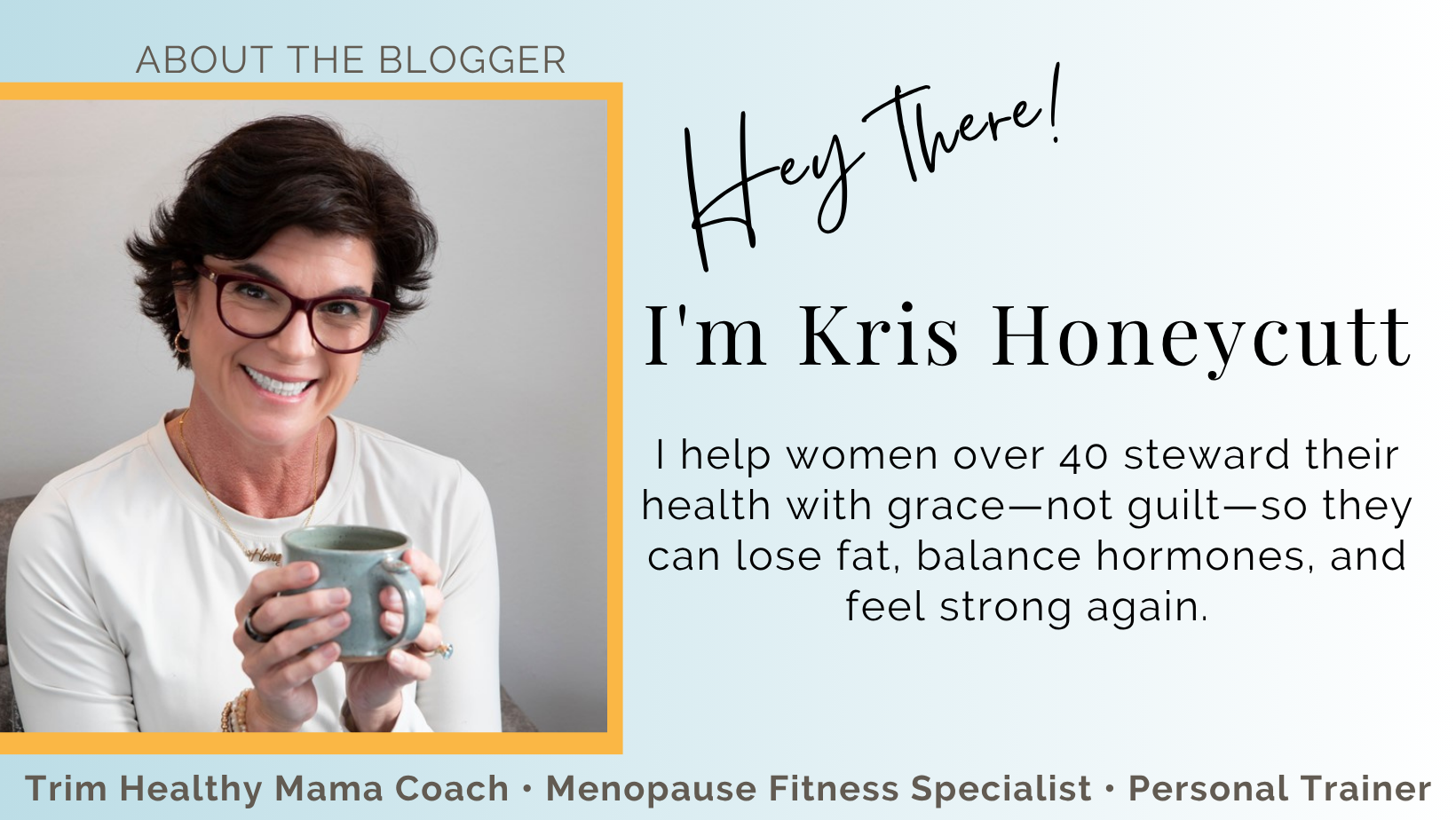
Ready for more real talk, fat loss tips, and hormone support made for midlife women?
Author
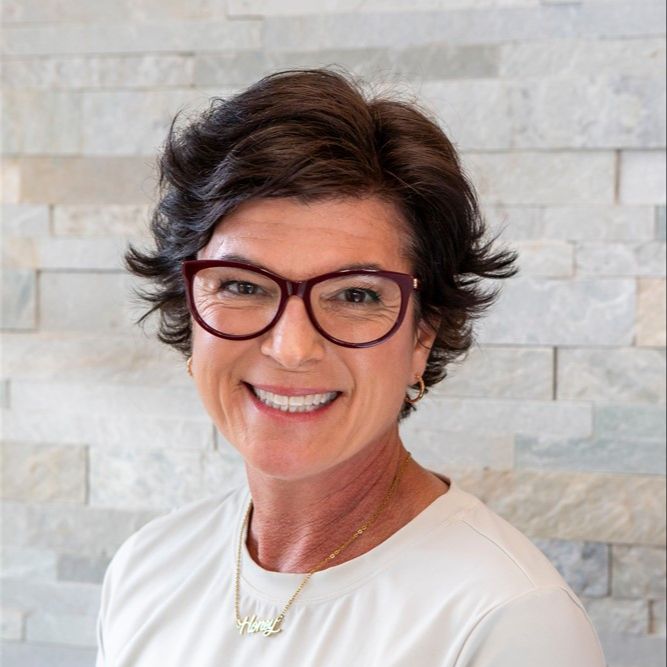
Kris Honeycutt
I’m a Trim Healthy executive coach, menopause fitness specialist, and personal trainer helping women over 40 lose stubborn weight, balance hormones, and feel confident in midlife bodies. Around here, we ditch diet drama and build real results—one wise, grace-filled step at a time.
Recent Posts

Join my Tribe today
How do you make Trim Healthy your lifestyle eating plan?
By getting community & coaching support.
Real change happens with accountability and habits. You get both inside Get Your Trim On Tribe Membership.
Get Your Trim On Store
Products that I have created to help you be successful in your Trim Healthy Mama journey.
What does Coach Kris buy from the THM store?
I am an official THM store affiliate and may earn a commission from purchases made through this link.
Baobab - Optimized Plant Protein - Optimized Whey Protein - Essential Amino Acids - No Carb Easy Bread
