Why Your Belly Changes in Perimenopause—and How to Lose the Fat
Apple Podcast - Spotify - YouTube
Have you looked in the mirror lately and thought, "What in the world is happening to my stomach?" Your jeans are getting tighter, your waistline looks thicker, and that stubborn belly fat seems to have shown up out of nowhere!
Maybe the scale hasn't even changed that much. You're still following Trim Healthy Mama, trying to eat well, and getting in your workouts. But your body looks different, and what used to work just isn't working anymore.
Friend, I hear this from women over 40 ALL the time, and I experienced it myself. One of the most frustrating things about perimenopause weight gain is feeling like you're doing everything you know to do, but your body isn't responding.
You start wondering if you need to eat less, exercise more, get stricter with your food choices, or completely change what you're doing. And before long, you're overwhelmed with all the things you think you need to fix.
But there's something happening inside your body that you may not fully understand. Your changing estrogen levels are influencing where your body stores fat, how your body composition changes, and why your belly may suddenly look different.
Understanding what's happening can make a tremendous difference in how you approach weight loss during perimenopause and menopause. So let's talk about estrogen, that changing waistline, and why losing belly fat after 40 may require a different approach.
Why Does Belly Fat Increase During Perimenopause?
One of the biggest complaints I hear from my ladies is, "I haven't really gained that much weight, so why does my stomach look so different?" And that's such an important question because gaining weight and changing your body composition aren't necessarily the same thing.
During perimenopause, your estrogen levels begin fluctuating. They don't simply decline in a nice, predictable way. Some days, estrogen levels may be higher, and other days, they may drop dramatically.
Eventually, as you move through menopause, your ovaries produce much less estrogen. And estrogen is doing a whole lot more in your body than regulating your monthly cycle!
We have estrogen receptors throughout our bodies because estrogen influences so many important functions. It plays a role in bone health, muscle function, metabolism, and even how your body manages blood sugar.
But one of the things I especially want you to understand is how estrogen influences where your body stores fat.
Before menopause, women tend to store a greater proportion of body fat around their hips and thighs. But as estrogen declines, fat distribution often begins shifting toward the abdominal area.
Yes, right around your belly! This is one reason women can notice their waistlines getting thicker during perimenopause, even when they haven't made significant changes to how they're eating or exercising.
And suddenly, the body you've been familiar with for years looks and feels different.
How Declining Estrogen Changes Where Your Body Stores Fat
Now, let's talk a little more about what's happening with estrogen because this is where so many women begin connecting the dots.
Estrogen helps influence how body fat is distributed. When estrogen levels are higher during our reproductive years, women generally have a greater tendency to store fat beneath the skin around the hips and thighs.
As estrogen declines through menopause, that pattern can begin changing. More fat may accumulate around the waist, including deeper abdominal fat.
And that brings us to something important.
Why Your Belly Can Get Bigger Without Gaining Much Weight
Have you ever stepped on the scale and thought, "Well, my weight hasn't really changed, so why do my clothes fit differently?" It's possible for your body to gain fat while losing muscle.
If those changes happen at approximately the same time, the scale might barely move, but your body composition is changing. You have a higher proportion of body fat and a lower proportion of muscle than you had before.
And because that additional fat may be accumulating around your middle, your waistline can begin looking noticeably different. Research has found that the menopause transition is associated with increases in abdominal fat, even when overall weight changes are relatively modest.
So, the number on your scale isn't always telling you the whole story. And ladies, this is why I talk so much about body composition.
I don't simply want you to weigh less. I want you to have a strong, healthy body with plenty of muscle as you age!
Why Visceral Belly Fat Matters During Menopause
There's another important reason we want to understand this shift in belly fat. Not all body fat is stored in the same place.
Some fat is stored directly beneath your skin. This is called subcutaneous fat. Another type, called visceral fat, is stored deeper inside your abdominal cavity around your internal organs.
Visceral fat is metabolically active and is associated with an increased risk of insulin resistance, cardiovascular disease, and other metabolic health concerns. Research suggests that visceral fat tends to increase as women move through the menopause transition.
Now, that doesn't mean every woman will develop excess visceral fat, and it certainly doesn't mean that you can look at your stomach and know exactly how much visceral fat you have.
But it helps explain why these changes are about more than simply wanting to fit into your favorite jeans. We're talking about protecting your health as you move through midlife and beyond.
Why Hormone Imbalance Makes Weight Loss After 40 Feel Harder
Here's something I hear over and over again. "Kris, I've been doing Trim Healthy for years. I know how to eat. I know what works. But suddenly, it's not working anymore!"
I understand that frustration. You've learned how to put your meals together, you know about S meals and E meals, and you've made changes to your eating habits.
Maybe those very same habits helped you lose weight in your 30s or early 40s. But now you're in perimenopause, and your body seems to have changed the rules!
Well, estrogen is one part of that picture, but it's not the only thing influencing your weight.
Estrogen and Muscle Loss During Menopause
As women age, we naturally become more vulnerable to losing muscle mass. And changing estrogen levels may contribute to changes in muscle function and body composition during menopause.
This is important because muscle is incredibly valuable to our metabolic health. Muscle helps us use glucose, supports our strength, and contributes to the amount of energy our bodies use.
When we lose muscle, our body composition changes. And depending on how much muscle we lose, our overall energy needs may change as well.
So, when we're talking about midlife weight gain, we have to think beyond the amount of fat we're carrying. We also need to think about the muscle we may be losing.
This is one reason strength training and adequate protein become so important for women over 40. We want to preserve the muscle we have and continue building strength as we age because the goal is so much bigger than simply making the scale go down!
How Estrogen Changes Affect Blood Sugar and Insulin
Estrogen also plays a role in how our bodies respond to insulin. And if you're familiar with Trim Healthy Mama, you already know how much we talk about insulin and blood sugar!
Insulin is an important hormone that helps move glucose from our bloodstream into our cells. We absolutely need insulin, but when our bodies become less sensitive to it, blood sugar regulation can become more challenging.
Changes in estrogen, increases in abdominal fat, declining muscle mass, and other factors can all influence insulin sensitivity during midlife. And this is one reason I love the foundation of Trim Healthy.
We're learning how to nourish our bodies, balance our fuels, and support healthy blood sugar regulation. Our E meals, S meals, Crossovers, protein, and fiber-rich foods all have a place in a thoughtful approach to nutrition.
But understanding how those pieces work together for your changing midlife body matters. Simply eating on plan doesn't automatically guarantee that you're meeting all your body's needs.
And that's where some women begin getting frustrated. They're following the familiar rules, but they don't understand why their results have changed.
Why Eating Less and Exercising More May Not Solve Menopause Belly Fat
When your stomach starts getting bigger, what's the first thing you're tempted to do? Eat less? Exercise more? Cut out more foods?
Or maybe you start looking for another supplement, another hormone solution, or another weight-loss strategy. Before you know it, you've got a 52-point checklist of everything you think you need to do, and you're exhausted just thinking about it!
I see this happen with women who are genuinely trying to take care of themselves. They're making changes, following the advice they've heard, and wondering why the belly fat isn't going away.
But the menopause transition involves changes in body composition, muscle, hormones, and sometimes sleep and energy levels. Those changes don't necessarily respond to simply cutting more food or piling on more exercise.
Constantly adding more rules can make consistency even harder. For women following Trim Healthy, sometimes the frustration comes from knowing the plan but not understanding how to use it to support their changing body.
They know how to separate fuels. They know what an E meal is and what an S meal is. But they're still struggling to lose that stubborn belly fat.
And they begin wondering whether they need to abandon what they've learned and start something completely different. I don't want you to feel like you have to keep chasing another solution every time your body changes.
I want you to understand what's going on and how the different pieces of your health fit together.
Can You Still Lose Belly Fat With Declining Estrogen?
YES! And I'm so glad we get to talk about this part.
Your hormonal environment is changing, and that may influence how your body responds to nutrition, exercise, sleep, and other lifestyle factors. But your daily habits still matter.
One of the things I've seen over my years as a personal trainer, menopause fitness specialist, and Trim Healthy Executive Coach is how much stronger women can become when they begin supporting their bodies intentionally.
And strength is a huge part of this conversation. Building muscle helps support healthy body composition and metabolic function.
Eating enough nourishing food, including quality protein and fiber-rich plants, helps support your body's needs. Regular movement supports your health, while sleep and recovery also play important roles.
None of these things magically restores your estrogen levels, and no single strategy guarantees that belly fat will disappear. But together, they create a foundation that supports your health through menopause and beyond.
The challenge is that many women are trying to figure out how to put all these pieces together on their own. They've gathered so much information that they're overwhelmed with what to do next.
And when the scale doesn't move or life interrupts their routine, they begin questioning everything. That's where having a clear direction and someone helping you understand your next step can make such a difference.
What About Estrogen Replacement and Menopause Belly Fat?
I want to touch on hormone replacement therapy because estrogen has played an important role in my own menopause journey. For me personally, hormone therapy has been a game changer in my quality of life.
I've come to appreciate how important estrogen is to so many functions throughout our bodies. Hormone therapy can be helpful for managing certain menopausal symptoms, including hot flashes and night sweats.
For some women, improving those symptoms can make it easier to sleep well, feel better, and maintain healthy routines. But I want to be clear about something.
Estrogen replacement therapy is not a belly-fat treatment or a weight-loss medication. Research suggests menopausal hormone therapy may modestly influence fat distribution and body composition in some women, but the effects are not large enough to consider it a weight-loss solution.
And it's not right for everyone. Hormone therapy decisions depend on individual health history, symptoms, risks, and personal circumstances.
What I really want you to understand is that whether you're using hormone therapy or not, the foundation of your health still matters. Your changing hormones are part of the picture, but they're not the only thing determining your future health or strength.
Your Changing Body Deserves a Different Approach
Friend, I know it can be discouraging when you look in the mirror and don't recognize the body looking back at you, especially when you feel like you're doing so many of the right things.
You're eating healthy, you're trying to exercise, and you're following your Trim Healthy plan. And yet your stomach seems to be getting bigger.
It's frustrating! But I want you to understand what's happening before you decide that your body simply won't respond anymore.
Perimenopause weight gain and increasing belly fat are influenced by real hormonal and body-composition changes. Estrogen is fluctuating and eventually declining, and your fat distribution may be shifting toward your abdomen.
You may be losing muscle while gaining fat, even if the scale isn't changing much. And your body's relationship with blood sugar, insulin, and energy use may be changing as well.
I think about Galatians 6:9, where we're encouraged not to grow weary in doing good. That's such a meaningful reminder when you've been working toward better health and the results aren't coming as quickly as you'd hoped.
God has given us these amazing bodies, and I believe we can continue learning how to care for them through every season of life. Sometimes that means learning something new, adjusting what we've always done, or recognizing that we need a little help figuring out what comes next.
Ready to Finally Understand What Your Midlife Body Needs?
Maybe you've spent months trying to figure out why your belly keeps getting bigger. You've read the articles, watched the videos, and tried making changes.
But you're still standing in front of your closet wondering why nothing fits the way it used to. And you're tired of questioning every food choice, every workout, and whether you're doing enough.
You don't want another complicated checklist. You want to know what will actually help you lose the belly fat, get stronger, and feel confident in your body again.
That's exactly why I created the Belly Fat Breakthrough Tribe.
Inside Tribe, we take the confusion out of trying to lose weight during perimenopause and menopause. You'll have a clear monthly roadmap, Trim Healthy meal ideas, movement plans, weekly coaching, and a community of women who understand what you're experiencing.
And when you're frustrated because things aren't working, you'll have a place to bring your questions and get help figuring out what needs to change.
Because sometimes you don't need more information. You need someone to help you make sense of the information you already have and show you how to apply it to your life.
If you're ready to get rid of stubborn belly fat, build lasting muscle, and stop trying to figure it all out by yourself, I'd love to welcome you into my Belly Fat Breakthrough Tribe!
And be sure to listen to the next episode of The Menopause Makeover Podcast, where we'll talk about progesterone, why it changes during perimenopause, and how those changes may affect your sleep and the way you feel.
Remember, friend, you can always start again, not over!
Ready for more real talk, fat loss tips, and hormone support made for midlife women?
Author
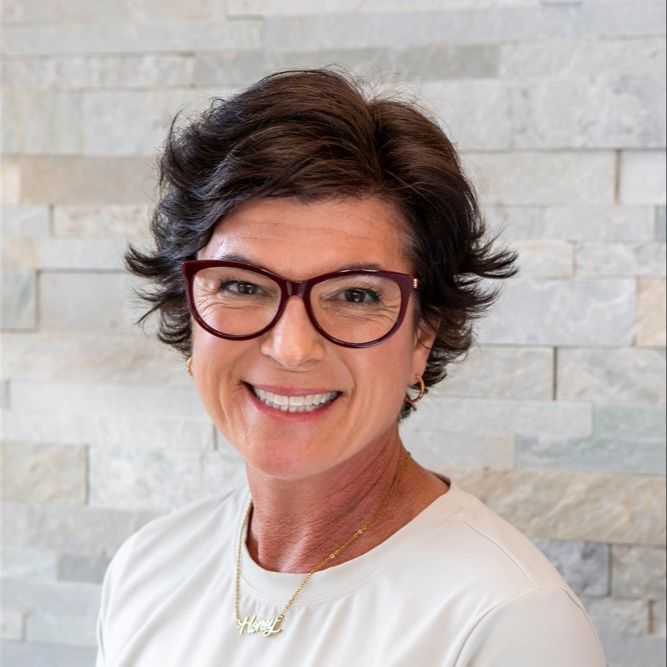
Kris Honeycutt
I’m a Trim Healthy executive coach, menopause fitness specialist, and personal trainer helping women over 40 lose stubborn weight, balance hormones, and feel confident in midlife bodies. Around here, we ditch diet drama and build real results—one wise, grace-filled step at a time.
Recent Posts

Join my Tribe today
How do you make Trim Healthy your lifestyle eating plan?
By getting community & coaching support.
Real change happens with accountability and habits. You get both inside Get Your Trim On Tribe Membership.
Get Your Trim On Store
Products that I have created to help you be successful in your Trim Healthy Mama journey.
What does Coach Kris buy from the THM store?
I am an official THM store affiliate and may earn a commission from purchases made through this link.
Baobab - Optimized Plant Protein - Optimized Whey Protein - Essential Amino Acids - No Carb Easy Bread
