Easy Healthy Meal Ideas for Busy Back-to-School Moms

Apple Podcast - Spotify - YouTube
Back-to-school season always sounds so organized when we’re talking about it in July, doesn’t it?
We imagine getting up earlier, having lunches packed the night before, starting a beautiful morning routine, making dinner by 4:00, and somehow everyone will know exactly where their shoes, folders, backpacks, and important forms are.
Then school actually starts.
Someone can’t find a shoe. The car needs gas. Practice gets moved. The homeschool printer runs out of ink. Someone remembers at 9:47 p.m. that they need poster board tomorrow morning.
And somewhere in the middle of keeping everybody else fed and functioning, you suddenly realize you haven’t eaten an actual meal.
If you’re also trying to lose weight, stay consistent with Trim Healthy Mama, shed stubborn belly fat, eat enough protein for weight loss, and build muscle after 40, a busy back-to-school season can make it feel like somebody picked up your routine and tossed it out the window.
But you don’t need a perfect, color-coded schedule to stay consistent.
You need a few simple systems that still work when your day doesn’t.
Start With a Minimum Viable Plan for Back-to-School Season
One of the biggest mistakes I see women make when a new season begins is creating a healthy-living plan for their fantasy life instead of their actual life.
We decide we’re going to strength train four days a week, cook every meal from scratch, walk 10,000 steps, eat seven different vegetables every day, organize the pantry, prep homemade protein bars, and probably clean out a closet while we’re at it.
And then Tuesday happens.
Instead, I want you to decide on your minimum viable plan for the first couple of weeks of school.
These are two or three habits that keep you anchored even when everything else feels messy.
For me, that could look like:
Eat a protein-centered breakfast.
Eat an actual lunch instead of picking at everyone else’s food.
Decide what we’re having for dinner before 10:00 a.m.
Those aren’t the only healthy things I’ll do. I may still walk, strength train, drink my water, eat plenty of plants, and get to bed on time.
But those are my anchors.
When the day gets chaotic, I can stop asking, “Am I doing everything right?” and ask a much more useful question:
Have I kept my anchors?
That little mindset shift can keep one missed workout or one crazy afternoon from becoming, “Well, I’ve blown the whole week.”
Stop Planning Meals for Your Fantasy Energy Level
This may be one of my favorite meal prep ideas for women in midlife:
Plan your meals according to the energy you will probably have when it is time to cook them.
Not the energy you wish you had.
You know how this goes. You sit down on Sunday morning with your coffee, feeling productive, and plan a beautiful meal for Wednesday that involves 14 ingredients, a homemade sauce, and chopping six vegetables.
The problem is that Wednesday Kris is not Sunday-morning-with-coffee Kris.
Wednesday Kris may have already dealt with work, laundry, homeschooling, errands, appointments, emotional conversations, and some sort of science experiment involving baking soda.
She does not want to julienne anything.
Before choosing your meals, look at the actual week.
If Tuesday includes co-op, sports, appointments, work, or an evening commitment, Tuesday needs to be a lower-energy dinner.
Save the new recipe for a day when you have more margin.
Three Types of Easy Healthy Meal Ideas
I like dividing meals into three categories:
Fresh meals require a little more cooking and preparation.
Assembly meals are built mostly from ingredients that are already cooked or require very little prep.
Rescue meals can be put together in about 10 minutes.
And ladies, a rescue meal is not a failed dinner.
It is part of the plan.
Some of my favorite easy healthy meal ideas for busy nights include rotisserie chicken with bagged salad, breakfast for dinner, a quick frittata, turkey and cheese wraps with vegetables, chicken salad, tuna salad, or a taco bowl made from frozen taco meat.
You can also make a substantial protein smoothie and pair it with another simple food that fits the fuel you want for that meal.
The goal is not to make every dinner impressive.
The goal is to make eating well easier than standing in the kitchen at 6:00 p.m. saying, “What on earth are we going to eat?”
Try the 2-2-2 Method Instead of Prepping Seven Complete Meals
I don’t love preparing seven complete meals ahead of time.
What works much better for me in midlife is preparing components.
One of my easiest meal prep ideas is what I call the 2-2-2 method:
Prepare two proteins.
Prepare two E-friendly carbohydrate sources.
Prepare two vegetables.
That’s it.
You could grill chicken and brown ground turkey.
Prepare brown rice and sweet potatoes.
Roast broccoli and chop peppers, cucumbers, or whatever vegetables your family enjoys.
Now your refrigerator is filled with meal-building blocks instead of seven containers of the same casserole.
Turn One Protein Into Several Different Meals
Cooked chicken can become a completely different meal depending on what you add to it.
For a Trim Healthy S meal, you might make a big chicken salad with non-starchy vegetables, avocado, olives, feta, and your favorite on-plan dressing.
For an E meal, combine lean chicken with brown rice, quinoa, beans, or sweet potato while keeping added fats lower. Add plenty of non-starchy vegetables to round out the meal.
For something lighter, tuck lean protein and vegetables into an on-plan wrap and add berries or another appropriate side.
That same chicken could also become soup, a taco bowl, a Greek chicken bowl, or a quick snack plate.
This is how I keep healthy eating from becoming boring without expecting myself to create a Pinterest-worthy dinner every evening.
I’m simply giving yesterday’s chicken a new personality.
Protein for Weight Loss Does Not Have to Be Complicated
If you’re trying to lose weight after 40, protein matters because we are not only thinking about fat loss.
We are also thinking about preserving and building muscle.
That becomes increasingly important in midlife.
But eating enough protein does not require you to cook chicken breasts every three hours.
Look for simple ways to keep protein available.
Rotisserie chicken, eggs, Greek yogurt, cottage cheese, deli turkey, tuna or chicken packets, protein shakes, lean ground meat, and cooked chicken can make meals much easier to assemble.
My husband often makes a dozen hard-boiled eggs for the week. That one little habit gives the kids and me another easy breakfast or snack option without adding more cooking to the busiest parts of the day.
Your meals don’t have to be fancy to support your goals.
They need to be available when you are hungry.
Protect the After-School Danger Zone
For many women, breakfast is not the hardest part of the day.
Dinner isn’t even the hardest part.
It is that strange stretch between about 3:30 and 6:00.
I call it the witching hour.
Everyone is hungry. Someone needs help. Dinner needs to happen. You may be driving to practice, answering questions, finishing homeschool, cleaning up, or trying to transition from work into the evening.
Your energy may also be dropping.
You walk into the kitchen to get someone else a snack and suddenly you’ve eaten crackers over the sink, half a granola bar, three bites of somebody’s sandwich, and enough tastes of dinner that you technically had a meal without ever sitting down.
This is why I like having an intentional afternoon plan.
If you need a snack, sit down and eat a snack.
Put it on a plate.
Take a few minutes.
Add protein through cottage cheese, Greek yogurt, deli meat, eggs, a protein shake, or another simple option that works for you.
If you aren’t hungry, make a sipper or a cup of tea and sit down for a few minutes anyway.
Give your mind and body a transition between the first part of your day and the second.
Ladies, we do not have to live like the rushing woman all day long.
There is wisdom in pursuing peace even during a full season.
God does not need us frantic in order for us to be faithful.
We can have a busy, abundant life and still choose to respond to it with more intention and less reaction.
Create a Back-to-School Emergency Food Kit
Another strategy that can save you during back-to-school season is having emergency food available for car lines, sports practices, appointments, co-op days, or long errands.
This isn’t supposed to replace all your normal meals.
It is there to keep you from getting overly hungry and grabbing whatever happens to be available.
You could keep shelf-stable protein drinks, tuna or chicken packets, jerky or chicken sticks, Trim Healthy-friendly protein bars, nuts and seeds, or freeze-dried fruit available.
If you’re bringing an insulated bag, add things such as cut vegetables, cheese, hard-boiled eggs, Greek yogurt, or another chilled protein.
And keep a list of your favorite emergency foods in your phone.
You do not need to make your tired brain come up with snack ideas every single week.
Make the decision once and reuse it.
Make One Family Meal With a Fuel Fork
You do not need to cook one dinner for yourself and another dinner for the rest of your family.
Instead, create a basic meal and let everyone choose the fuel their body needs.
Taco bowls are the perfect example.
Start with lean taco meat, lettuce, tomato, salsa, peppers, and other non-starchy vegetables.
For a Trim Healthy E version, add beans or brown rice while keeping the added fats low.
For an S version, add cheese, avocado, sour cream, guacamole, or another healthy fat while keeping the carbs lower.
If growing kids or other family members need a Crossover, they can combine the healthy fats and carbohydrates.
You can use this same idea with burger bowls, Greek chicken bowls, stir-fries, baked potato bars, pasta night, sandwiches, wraps, breakfast for dinner, or sheet-pan meals.
One family.
One basic dinner.
Different fuel options.
That removes so much unnecessary friction.
Homeschool Moms: Give Your Kitchen Office Hours
If you homeschool, you understand that being home near the kitchen all day creates its own challenges.
You are the teacher and apparently also the chef at a small restaurant that never closes.
Giving your kitchen some basic “office hours” can help.
That might mean breakfast, lunch, an afternoon snack window, and dinner.
Your rhythm may look different depending on the ages of your children, but having some structure reduces the constant conversation about food.
I also love putting meal and snack options on a whiteboard.
If somebody asks, “What are we having for dinner?” they can look at the board.
You can also set alarms for your own lunch and movement breaks.
Mama, eat your lunch.
Sit down for 20 minutes if you can.
Eat the food you intended to eat instead of surviving on everybody else’s leftovers.
Taking care of your body does not make you less available to your family. It helps you show up with more energy, strength, and patience for the people God has entrusted to you.
Use a Wednesday Rescue Instead of Waiting Until Monday
Sunday planning gets all the attention, but Wednesday is often when the wheels start falling off.
The cooked protein is disappearing.
Somebody ate Friday’s ingredients on Tuesday.
The produce needs to be used.
The schedule changed three times.
Instead of declaring the week ruined and waiting until Monday to “start again,” take 10 minutes on Wednesday and regroup.
Look at the next three days.
What food is left?
What needs to be used?
Do you need to cook another protein?
Does one dinner need to become an assembly meal or rescue meal?
Do you need to place a quick grocery order?
The plan is allowed to change.
That is not failure.
That is wisdom.
Match Your Strength Training to Your Season
Your workouts may need to simplify during the first few weeks of school too.
That does not mean abandoning movement.
It means matching your expectations to your season.
Rather than starting an elaborate training schedule, choose two strength workouts and decide exactly when they will happen.
Maybe Tuesday and Friday are your days.
Write them down.
Protect that time.
Even 15–20 minutes of focused strength training matters, especially for women in midlife who want to build lasting muscle and stay strong as they age.
Your children may be able to read, work independently, play outside, or occupy themselves while you exercise.
You do not have to wait for a perfectly quiet house and a completely empty calendar.
That day may never arrive.
Easy Healthy Meal Ideas Make Consistency Easier
Back-to-school season does not have to become the season when you abandon everything you’ve been working toward.
You also do not need to prove how disciplined you are by making the season harder than it needs to be.
Choose your anchors.
Keep easy protein available.
Create a handful of rescue meals.
Prepare components instead of complicated recipes.
Protect the afternoon danger zone.
Give the kitchen some structure.
Take 10 minutes on Wednesday to adjust the plan.
And strength train twice.
Then trust that small, faithful choices can add up over time.
We can pursue our health goals without becoming consumed by them.
We can care for our families without disappearing from our own priority list.
And when the week gets messy—and it will—we don’t have to start over.
We simply make the next good choice and keep moving forward.
If you are ready to lose weight, shred stubborn belly fat, build lasting muscle, and finally have a clear plan for your midlife body, I would love to have you inside my Belly Fat Breakthrough Tribe.
Inside the Tribe, we work together on the food, movement, mindset, hormones, and practical habits that help women over 40 get fit and strong without adding another impossible plan to their lives.
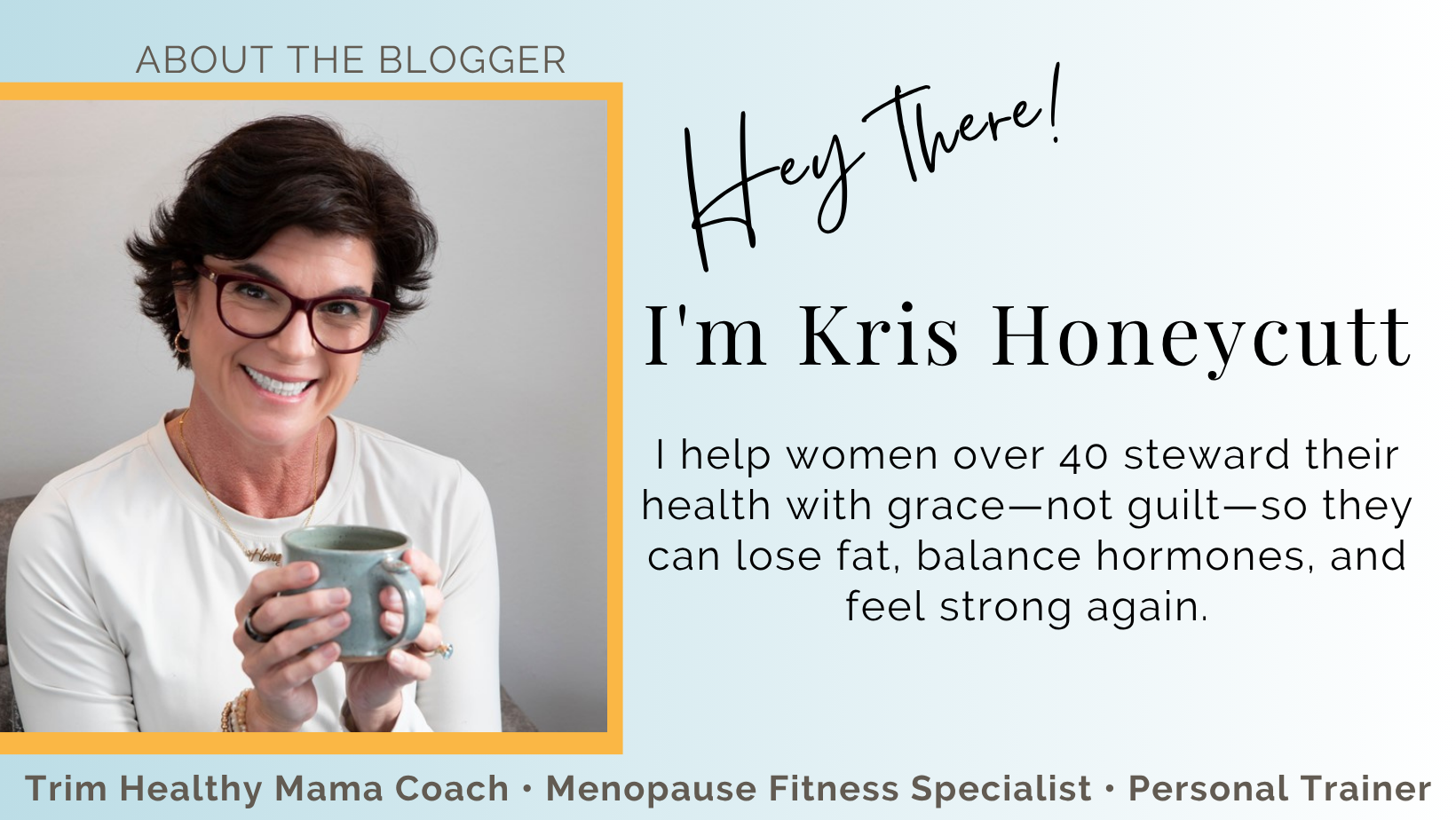
Ready for more real talk, fat loss tips, and hormone support made for midlife women?
Author
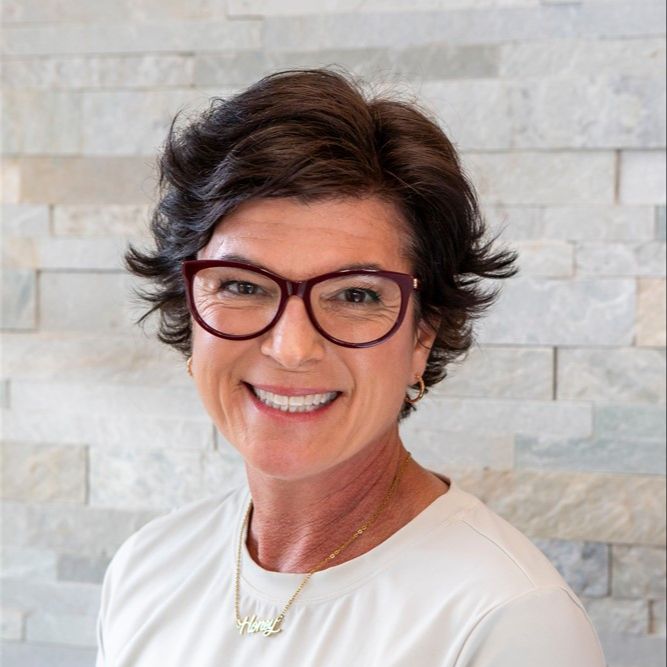
Kris Honeycutt
I’m a Trim Healthy executive coach, menopause fitness specialist, and personal trainer helping women over 40 lose stubborn weight, balance hormones, and feel confident in midlife bodies. Around here, we ditch diet drama and build real results—one wise, grace-filled step at a time.
Recent Posts

Join my Tribe today
How do you make Trim Healthy your lifestyle eating plan?
By getting community & coaching support.
Real change happens with accountability and habits. You get both inside Get Your Trim On Tribe Membership.
Get Your Trim On Store
Products that I have created to help you be successful in your Trim Healthy Mama journey.
What does Coach Kris buy from the THM store?
I am an official THM store affiliate and may earn a commission from purchases made through this link.
Baobab - Optimized Plant Protein - Optimized Whey Protein - Essential Amino Acids - No Carb Easy Bread
