6 Simple Ways to Turn On Fat Burning After 40
Apple Podcast - Spotify - YouTube
Does it feel like your body has forgotten how to burn fat?
You may be following Trim Healthy principles, choosing healthy foods, exercising, and trying to stay consistent, yet the belly fat will not budge. You want to lose weight, but the strategies that worked in your 20s and 30s do not seem to work the same way anymore.
That can feel discouraging, especially when you are genuinely trying.
But your body is not broken, my friend. It is simply responding differently because your hormones, muscle mass, blood sugar, stress levels, and recovery needs have changed.
After 40, fat loss is not about starving your body, cutting out every carbohydrate, or exercising until you are exhausted. It is about creating the right environment for your body to feel nourished, supported, strong, and safe enough to release stored fat.
These six simple strategies can help you turn fat burning back on while supporting your hormones, preserving muscle, and improving your energy.
Why Belly Fat Becomes Harder to Lose After 40
Many women enter perimenopause and menopause believing they suddenly lost their willpower. They blame themselves because their weight begins creeping up, their waistline changes, and their usual healthy habits no longer produce the same results.
This is not simply a motivation problem.
As estrogen begins to fluctuate and decline, your body can become less sensitive to insulin. You may also begin losing muscle, especially if you are not strength training or eating enough high-quality protein.
Less muscle means your body burns fewer calories throughout the day. Changes in sleep, stress hormones, hunger signals, and activity levels can also make it easier to store belly fat.
This does not mean you are destined to gain weight during menopause. It means you need a strategy designed for the body you have now—not the body you had 20 years ago.
Romans 12:2 reminds us that transformation begins with renewing our minds. Instead of thinking, “My body is working against me,” we can begin asking, “What does my body need from me in this season?”
That question leads us away from punishment and toward wise stewardship.
1. Start Your Day With a High-Protein Breakfast
One of the simplest ways to support fat burning after 40 is to start your day with a high-protein breakfast.
Many women begin the morning with coffee and a piece of toast, a banana, a granola bar, or nothing at all. By midmorning, they are tired, hungry, irritable, and reaching for something sweet.
A breakfast that is mostly carbohydrates may not provide enough staying power, especially during menopause. It can send your blood sugar up quickly and leave you feeling hungry again a short time later.
Protein helps create a steadier start to your day. It supports muscle maintenance, improves fullness, stabilizes blood sugar, and may reduce cravings later in the day.
Aim for approximately 25 to 30 grams of protein within the first few hours after waking.
That could look like:
-
A Greek yogurt bowl with berries and added protein
-
A protein smoothie with fruit and greens
-
Cottage cheese with fruit and sprouted toast
-
Eggs with vegetables and chicken or turkey sausage
-
Trim Healthy protein pancakes with collagen in your coffee
Your breakfast does not need to be complicated. It simply needs to be intentional.
Think of your first meal as a message to your body. You are telling it, “You are nourished. You are supported. You do not need to panic or store everything for later.”
2. Prioritize High Protein at Every Meal
Breakfast is a great place to begin, but protein needs to remain a priority throughout your day.
After 40, maintaining muscle becomes increasingly important. Muscle supports your metabolism, strength, mobility, blood sugar balance, bone health, and long-term independence.
Protein provides the amino acids your body needs to repair and maintain that precious muscle.
A helpful goal is to include approximately 25 to 30 grams of protein at each meal. Depending on your needs, you may also benefit from a protein-rich snack.
This does not mean you need to obsessively count every gram. It means you learn to build your meals around protein instead of treating it as an afterthought.
Start by choosing your protein source. Then add plenty of plants and decide which Trim Healthy fuel setting fits the meal.
You might choose an E meal with lean protein and a healthy carbohydrate. You could enjoy an S meal with protein, non-starchy vegetables, and nourishing fats. You may also choose a Crossover when your body needs both healthy fats and carbohydrates.
Protein is your anchor.
3. Eat Adequate Carbohydrates at the Right Time
Carbohydrates are not the enemy.
Many women become so afraid of belly fat that they begin cutting carbohydrates lower and lower. They may initially see a change on the scale, but over time they feel tired, stressed, hungry, and unable to perform well during workouts.
Your body needs carbohydrates for energy, thyroid support, recovery, muscle growth, and healthy hormone function.
The goal is not to eat unlimited amounts of carbohydrates. The goal is strategic carbohydrate intake.
I like to call this the Goldilocks approach. We do not want too much, too little, or carbohydrates eaten without enough protein. We want the right amount, in the right setting, at the right time.
Healthy carbohydrate sources may include:
-
Fruit
-
Oats
-
Sweet potatoes
-
Beans and lentils
-
Quinoa
-
Sprouted bread
-
Sourdough bread
-
Brown rice
-
Other whole-food carbohydrate sources
Within Trim Healthy, these foods can fit beautifully into E meals when paired with lean protein and kept lower in added fat.
Many women do well eating more of their E meals earlier in the day or around the times they are most active. The carbohydrates provide usable energy, replenish glycogen, and support stronger workouts.
Your body can then use that fuel instead of interpreting your low-energy state as another stressor.
You do not need to fear carbohydrates. You need to learn how to use them wisely.
Strategic Carbs Can Help You Lose Weight
It may sound surprising, but eating adequate carbohydrates can sometimes help a woman lose weight more effectively than continually cutting them.
Very low carbohydrate intake can add stress to an already stressed midlife body. When you are also dealing with poor sleep, demanding responsibilities, intense workouts, or under-eating, your body may respond by increasing hunger and reducing energy.
Strategic carbohydrates can help you feel calmer, stronger, and more satisfied.
They can also help you remain consistent with your plan because you are not spending every day fighting fatigue and cravings.
Remember, consistency usually produces better results than extreme restriction.
4. Build Muscle to Increase Fat Burning
Muscle is one of the most powerful tools you have for improving body composition after 40.
Women naturally begin losing muscle as they age unless they actively work to preserve and build it. Hormonal changes can accelerate this process during perimenopause and menopause.
When muscle decreases, metabolism can slow down. Blood sugar control may become more difficult, strength declines, and the body may store fat more easily.
This is why strength training needs to be a central part of your midlife fat-loss plan.
Aim to strength train your whole body two to three times per week. You do not need to spend hours in the gym, and you do not need to lift like a bodybuilder.
You do need to challenge your muscles.
Choose weights that feel difficult during the final few repetitions while still allowing you to maintain good form. As you grow stronger, gradually increase the resistance, repetitions, or difficulty of the exercise.
Strength training is not punishment for what you ate. It is an investment in your future.
It helps you build the body that will carry you through your 50s, 60s, 70s, and beyond.
Stop Making the Scale Your Only Measure of Progress
When you begin strength training, the scale may not tell the whole story.
You could be losing belly fat, gaining muscle, improving insulin sensitivity, and changing the shape of your body even when your weight is moving slowly.
Notice how your clothes fit. Pay attention to your strength, energy, measurements, sleep, confidence, and ability to complete daily activities.
The scale is one piece of information. It is not the final authority on whether your body is changing.
Do not allow one number to erase all the evidence of progress.
5. Walk Daily to Support Belly Fat Loss
Walking is one of the most underrated tools for women who want to lose weight after 40.
It may not feel intense, but walking supports fat loss in several important ways. It increases daily movement, improves insulin sensitivity, supports digestion, reduces stress, and helps your body recover between workouts.
Walking is also gentle enough to do consistently.
A simple 10-minute walk after a meal can be especially helpful. It encourages your muscles to use circulating glucose and may reduce the size of the blood sugar rise after eating.
You can walk outside, use a treadmill, march around your house, walk the hallways at work, or take a few laps around a store.
It all counts.
Do not underestimate the power of small amounts of movement repeated consistently. You do not have to complete a long workout every time you move your body.
Walking works with your hormones instead of adding more stress to an already overloaded system.
6. Prioritize Sleep and Recovery
You cannot out-exercise poor recovery.
When sleep is consistently poor, cravings can increase, hunger may feel more intense, cortisol can remain elevated, and your body may become more likely to store belly fat.
Poor sleep also makes it harder to follow through on healthy habits. When you are exhausted, meal planning, strength training, and making wise food choices can feel much more difficult.
You may not be able to control every night of sleep, especially if you are experiencing hot flashes, night sweats, pain, caregiving responsibilities, or changing hormones.
However, you can begin treating recovery as an essential part of your plan rather than an afterthought.
Create a calming evening routine. Reduce bright light and screen exposure close to bedtime. Keep your room cool, limit late-night eating when possible, and speak with a trusted medical provider if sleep problems continue.
Sometimes the most productive thing you can do for fat loss is go to bed.
How to Lose Weight Without Punishing Your Body
For years, women have been taught that losing weight means eating less and exercising more.
That advice is incomplete, especially after 40.
You can continue cutting food and adding workouts, but if your body is undernourished, overstressed, and losing muscle, you may feel worse instead of better.
A better question is not, “How little can I eat?”
Ask, “How can I support my body better?”
You can support it with enough protein, strategic carbohydrates, strength training, daily movement, quality sleep, and patient consistency.
These habits work together. Each one supports the others.
Protein supports your muscle. Muscle supports your metabolism. Carbohydrates fuel your training. Walking supports blood sugar and stress. Sleep helps regulate the hormones involved in hunger, recovery, and belly fat storage.
This is not a quick-fix plan. It is a sustainable way to care for your body in midlife.
Your Body Has Not Forgotten How to Burn Fat
Your body is not failing you.
It is communicating with you.
It may be asking for more nourishment, more muscle, more recovery, less stress, or a more strategic approach to carbohydrates.
Instead of fighting your body, begin partnering with it.
Galatians 6:9 tells us not to grow weary in doing good, because in due season we will reap if we do not give up. That truth applies to our health journey too.
You may not see every change immediately, but your consistent choices are doing something.
Every protein-rich meal matters. Every strength workout matters. Every walk matters. Every night you prioritize rest matters.
You do not need to do everything perfectly. Begin with one habit and practice it until it feels natural.
Then build from there.
Your body can become stronger. Your metabolism can be supported. Your energy can improve. And yes, you can lose weight and reduce belly fat after 40 without starving or punishing yourself.
The goal is not simply to become smaller.
The goal is to become stronger, healthier, more confident, and better equipped to live the life God has called you to live.
Ready for a Clear Midlife Fat-Loss Plan?
You do not have to figure out protein, Trim Healthy fuels, exercise, hormones, and consistency on your own.
Inside the Midlife Thrive Tribe, I help women over 40 understand what to eat, how to move, and what to focus on so they can stop feeling overwhelmed and start making meaningful progress.
You will receive coaching, accountability, practical strategies, and encouragement from women who understand this season of life.
Come join us inside the Midlife Thrive Tribe, and let’s create a plan that supports your hormones, strengthens your body, and helps you move forward with confidence.
Ready for more real talk, fat loss tips, and hormone support made for midlife women?
Author
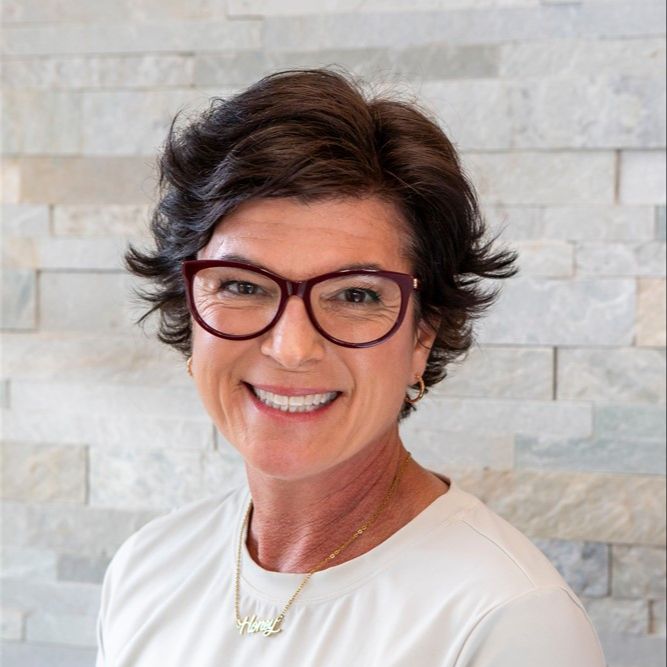
Kris Honeycutt
I’m a Trim Healthy executive coach, menopause fitness specialist, and personal trainer helping women over 40 lose stubborn weight, balance hormones, and feel confident in midlife bodies. Around here, we ditch diet drama and build real results—one wise, grace-filled step at a time.
Recent Posts

Join my Tribe today
How do you make Trim Healthy your lifestyle eating plan?
By getting community & coaching support.
Real change happens with accountability and habits. You get both inside Get Your Trim On Tribe Membership.
Get Your Trim On Store
Products that I have created to help you be successful in your Trim Healthy Mama journey.
What does Coach Kris buy from the THM store?
I am an official THM store affiliate and may earn a commission from purchases made through this link.
Baobab - Optimized Plant Protein - Optimized Whey Protein - Essential Amino Acids - No Carb Easy Bread
