Why Restriction Backfires: A Better Way to Lose Belly Fat
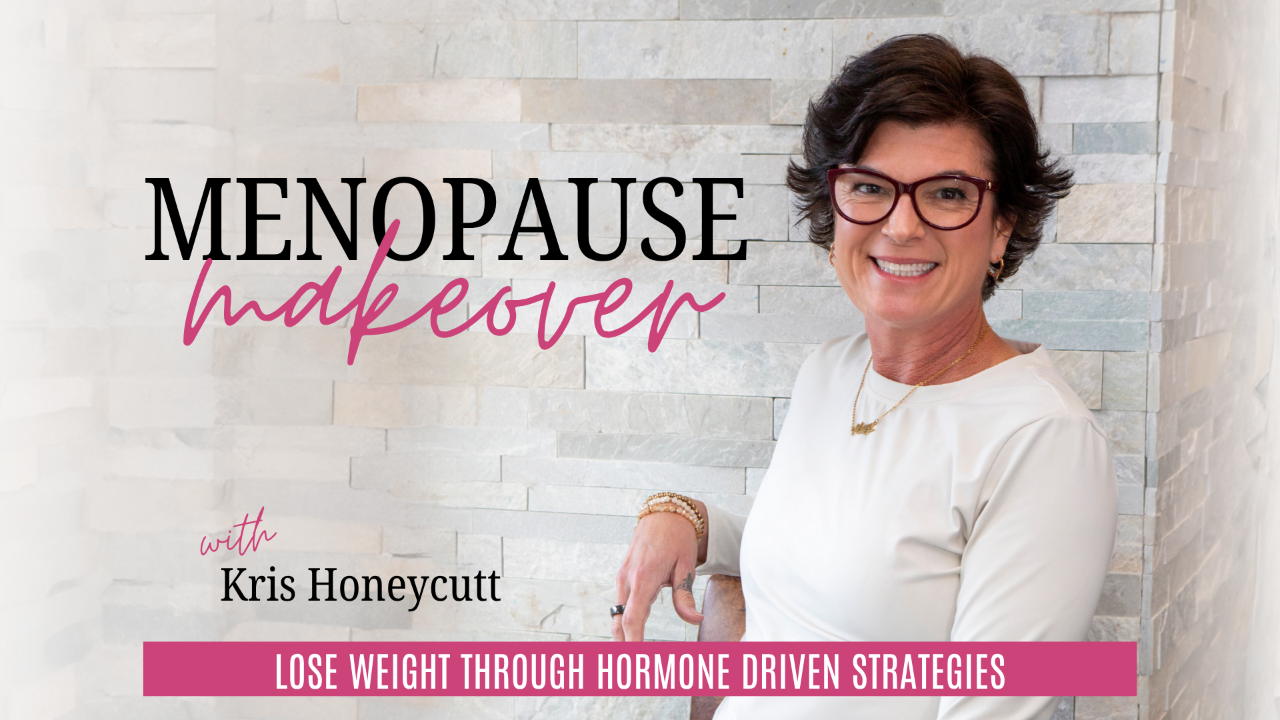
Apple Podcast - Spotify - YouTube
If you’ve ever walked into the holidays determined to “be good,” only to find yourself elbow-deep in leftover pumpkin cheesecake a few days later, friend… you are in the right place. And you’re not alone. What you’re experiencing isn’t a lack of willpower. It’s not a moral failure. It’s simply your midlife hormones responding to restriction, stress, and old diet patterns that no longer serve your metabolism — especially when belly fat seems to be the area that reacts first and lets go last.
In this season of perimenopause and menopause, our bodies need a different approach. Not a harsher one. A wiser one. A gentler, more sustainable one. And that’s exactly what I want to walk you through today.
Because yes — you can enjoy some holiday food, say yes to the moments that matter, and still support fat loss. And you can do it without shame, without swinging between extremes, and without waking up feeling discouraged or confused about what your body is doing.
Let’s talk about what’s really happening during the festive season — and how to find a rhythm that brings peace, confidence, and the results you want.
The Real Holiday Problem Isn’t the Food — It’s Fear
Let’s be honest. Most midlife women aren’t “overeating all December long.” What’s happening is something far deeper. There is an underlying fear that if you say yes to the food you love — the cookie your daughter baked, the special holiday dish your mom makes once a year — you’ll undo all your progress.
This fear comes straight from years (or decades) of dieting.
Restriction. “Being good.” Avoiding carbs. Cutting treats. Skipping meals to “save up.”
And yet, that very mindset is what keeps women stuck — especially when belly fat is already more stubborn in this season of life.
Here’s the truth no one told us in our twenties:
Restriction spikes cortisol.
Cortisol spikes raise blood sugar.
Blood sugar spikes trigger insulin.
Insulin stores belly fat — not just for the moment, but for hours.
So when you start the day on Thanksgiving saying “I won’t eat until dinner,” your body isn’t celebrating your self-control. It’s bracing for stress, protecting you, and preparing to store fat.
Your brain calls this survival. We call it “falling off the wagon.”
But it’s not failure — it’s physiology.
Restriction vs Overindulgence: Why We Get Stuck in the Cycle
You know the pattern. You start the holiday determined:
No cookies. No pie. Just turkey and salad.
Then three days later, you find yourself in the pantry thinking, “What happened?”
What happened is this:
The minute you restrict, your desire increases. The more you white-knuckle your way through a craving, the stronger it gets. That’s not lack of discipline — that’s your dopamine pathway firing like a Christmas tree on December 24th.
When you finally give in, the relief feels overwhelming… until it turns into guilt, shame, and the thought that you “blew it.” And that thought alone often triggers more overeating.
And the cycle continues.
But there is another way. A beautiful, grace-filled way that brings you into a peaceful middle ground — what I call the messy middle.
It’s messy because it’s human.
It’s middle because it’s not extreme.
It’s where long-term change actually happens.
Why Midlife Bodies React Differently to the Holidays
I wish I could tell you that you can still “save up your calories,” skip meals, or fast your way through the holidays like you used to in your twenties.
But the midlife metabolism doesn’t play by those rules.
Our hormones are shifting. We lose estrogen’s protective effect on blood sugar, insulin, and stress response. That means:
- Blood sugar is more sensitive
- Insulin spikes more quickly
- Cortisol rises faster
- Belly fat stores more easily
And when you combine that hormonal landscape with:
- skipping meals
- eating one big feast
- high-sugar foods
- holiday stress
- lack of sleep
- emotional overwhelm
…it’s the perfect storm for belly fat storage.
So the old “eat nothing until Thanksgiving dinner” strategy is actually the worst thing you can do for your hormones.
How to Enjoy Food and Still Burn Belly Fat This Holiday Season
Let’s walk through the simple, healthy habits that support your body — not stress it.
(Here is where I’m adding your 1–2 checklists, as allowed.)
Checklist: What Turns ON Fat Burning in Midlife
- Eating consistent meals anchored with protein
- Prioritizing plants and fiber at every meal
- Using tools like burner shots or ACV
- Taking short post-meal walks
- Allowing urges instead of reacting to them
- Eating off-plan foods after protein, not on an empty stomach
- Choosing intentional treats, not random ones
- Getting right back on plan at the very next meal
These habits aren’t perfection. They’re wisdom. They support your hormones in real time — even when you’re enjoying holiday food.
The Mindset That Makes Food Freedom Possible
You cannot have food freedom without choice.
You also cannot have food freedom without discomfort.
Allowing an urge — without answering it — is uncomfortable. It’s supposed to be. But the more you practice it, the quieter that urge becomes.
Most cravings last 90 seconds.
Most temptations fade within 20 minutes.
When you don’t respond, you rewire your brain.
When you do respond, you strengthen the desire.
This is neuroplasticity at work.
The holy, grace-filled approach is simply to let the desire be there… without feeding it. And then choose something aligned with your goals.
That might mean:
- a Trim Healthy dessert
- berries and cream
- a chocolate protein milk
- a sprouted sourdough cinnamon roll made with wisdom
You’re not restricting — you’re redirecting.
You’re choosing food that loves you back.
And when you do decide to enjoy something off-plan? You do it intentionally, with honesty, moderation, and a plan for supporting your body before and after.
That’s real food freedom.
Holiday Strategies That Protect Your Hormones and Belly Fat
Lead With Protein and Plants
Protein is your anchor. Fiber is your stabilizer. Together, they help keep your belly fat-burning hormones in check.
Start every plate — holiday meals included — with:
- Turkey, ham, salmon, eggs, yogurt, or your protein of choice
- A big serving of veggies or salad
- Then add your carb or fat fuel from there
If you do nothing else, do this.
Use Your “Sour Is Power” Tools
This one step alone can be the difference between fat burning and fat storing.
Say Yes With Intention
Be picky. Selective. Wise.
Choose the special treats — not the store-bought junk.
One slice of your grandmother’s pie? Yes.
Six handfuls of random cookies from a plastic tray? Not worth it.
Stay in Motion (Not Punishment)
Movement after meals lowers blood sugar by 17–21%.
This is powerful for belly fat loss.
Walk. Dance. Do a quick 6-minute burst.
Think joyful, not punishing.
Practice Self-Trust, Not Self-Shame
This is a season of grace — not guilt.
Consistency doesn’t mean perfection. It means returning to the plan, again and again, with a gentle heart and a steady mindset.
What Healthy, Hormone-Supportive Food Freedom Looks Like
Food freedom isn’t:
- “I’ll just not eat all day.”
- “I already messed up, so I may as well keep going.”
- “I’ll start again Monday.”
Food freedom is:
- I can have this treat with intention.
- I know exactly how to support my hormones before and after.
- I can stop at one.
- I trust myself to get back on plan at the next meal.
This approach builds confidence. It builds self-control. It builds consistency — the true engine behind midlife fat loss.
And most importantly, it builds trust between you and your body.
Food freedom isn’t found in perfect eating — it’s found in the choices you make with intention, wisdom, and grace. Restriction leads to stress, and stress leads to belly fat. Overindulgence leads to insulin spikes, and insulin leads to belly fat.
But the messy middle — the place where you nourish your body, allow urges, choose intentional treats, and return to your plan with confidence — that’s where transformation happens.
You can enjoy holiday food and still lose fat.
You can walk in peace, not fear.
You can honor your hormones and still say yes to the moments that matter.
And if you want deeper support in building these habits for life, come join me inside the Midlife Fat Loss Formula — where we practice these tools together every week.
Ready for more real talk, fat loss tips, and hormone support made for midlife women?
Author

Kris Honeycutt
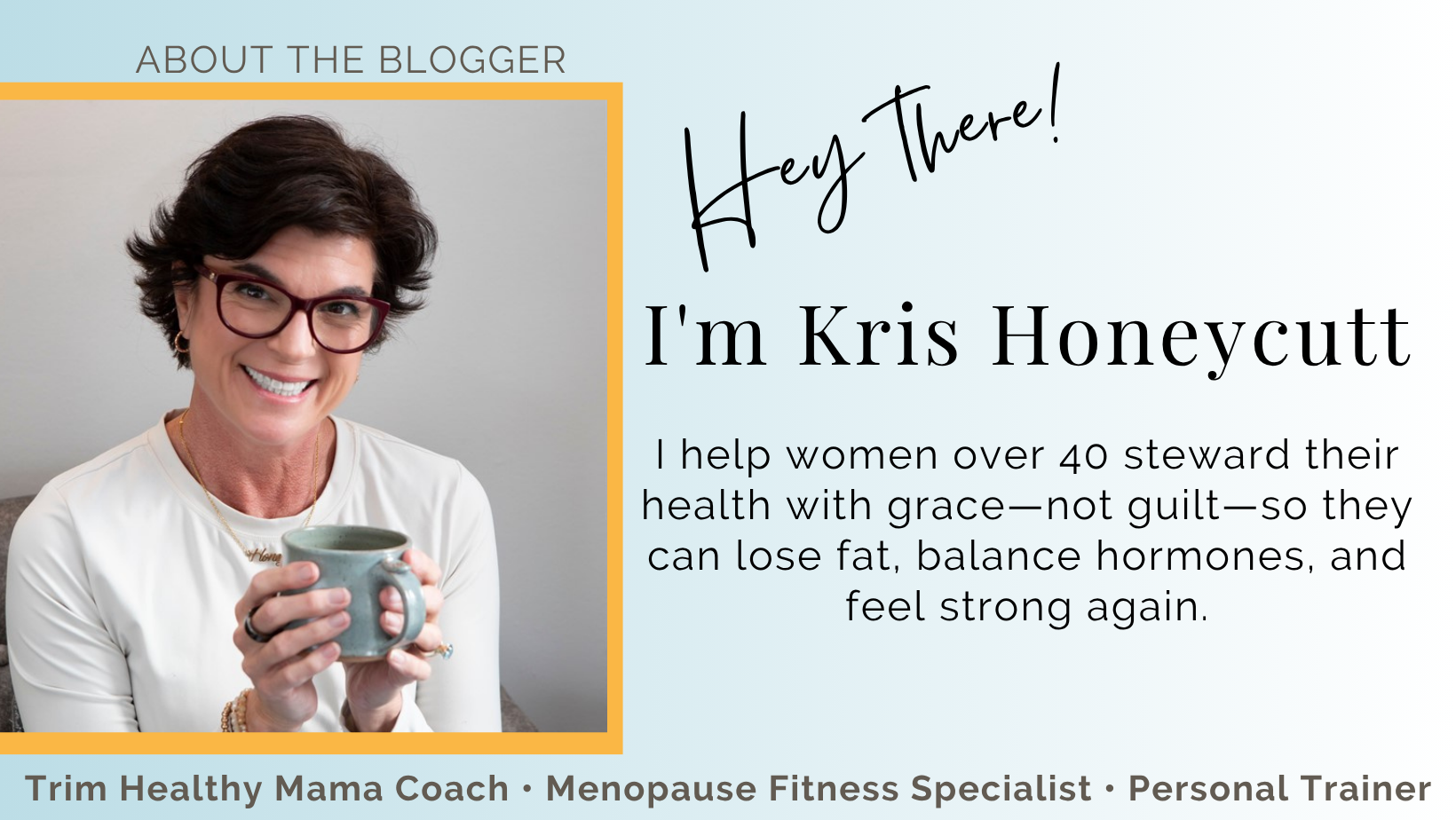
I’m a Trim Healthy executive coach, menopause fitness specialist, and personal trainer helping women over 40 lose stubborn weight, balance hormones, and feel confident in midlife bodies. Around here, we ditch diet drama and build real results—one wise, grace-filled step at a time.
Recent Posts

Join my Tribe today
How do you make Trim Healthy your lifestyle eating plan?
By getting community & coaching support.
Real change happens with accountability and habits. You get both inside Get Your Trim On Tribe Membership.
Get Your Trim On Store
Products that I have created to help you be successful in your Trim Healthy Mama journey.
What does Coach Kris buy from the THM store?
I am an official THM store affiliate and may earn a commission from purchases made through this link.
Baobab - Optimized Plant Protein - Optimized Whey Protein - Essential Amino Acids - No Carb Easy Bread
