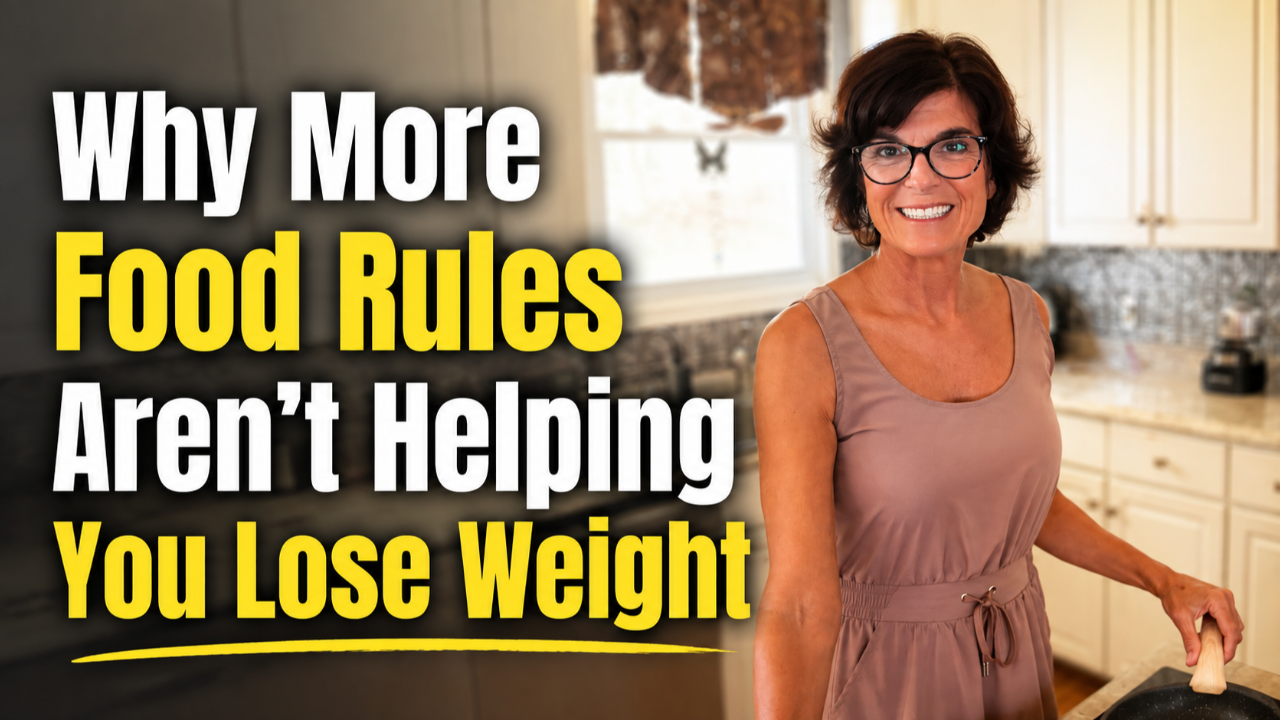
Why More Food Rules Aren’t Helping You Lose Weight
Apple Podcast - Spotify - YouTube
If you’re trying to lose weight, reduce stubborn belly fat, and finally build a healthy habit that actually lasts, it’s very easy to assume the solution is to tighten the rules. Many women in midlife fall into this pattern without even realizing it. They decide that if they could just be stricter, more disciplined, and more “on plan,” then everything would finally click into place. So they add more food rules, more restrictions, and more promises to themselves that this time they will do it perfectly.
The problem is that this approach often creates the very cycle they are trying to escape. For a few days, things go well. Meals feel controlled, choices feel intentional, and there is a sense of progress. But then real life happens—a birthday party, a dinner out, a stressful afternoon, or a vacation—and suddenly one unplanned food choice feels like a failure. Instead of adjusting and moving forward, the mind often jumps to, I already messed up, so I might as well start over tomorrow. That “start over Monday” mentality becomes a repeating loop that keeps women stuck rather than moving forward.
Why Food Rules Can Make Weight Loss Harder
Many women approach weight loss as if they are constantly taking a test they must pass. Every meal becomes a question of whether they did it “right.” They wonder if they chose the correct foods, if they stayed within the allowed guidelines, or if they accidentally went over some invisible line. Even when using helpful frameworks like Trim Healthy principles, it’s easy for those guidelines to slowly turn into rigid rules that feel more like pressure than support.
When food becomes a measure of being “good” or “bad,” even a small slip can feel like failure. And once that internal label is applied, it often leads to more choices that don’t support the original goal. One cookie turns into several, one meal off plan turns into a weekend of abandoning structure, and one vacation becomes a long pause on all healthy habits. This all-or-nothing cycle is not only exhausting, but it also makes consistent weight loss in midlife much more difficult than it needs to be.
The Shift From Perfection to Healthy Habits
Instead of focusing on more rules, a more powerful shift is learning to build healthy habits that shape identity over time. Healthy women are not simply women who know more food rules; they are women who practice consistent patterns of care for their bodies. This changes the internal question from “What am I allowed to eat?” to “What choice will support my body right now?” That small shift moves a woman out of restriction and into stewardship, and out of punishment and into wisdom.
Consistency in this context does not mean perfection. It means learning how to return to your habits without spiraling when life doesn’t go as planned. You will still have meals that are not perfectly aligned with your goals, but instead of seeing those moments as failure, you begin to see them as part of a larger pattern of learning and growth. Over time, this ability to come back—without shame or starting over—becomes one of the most important skills for sustainable weight loss.
Changing the Thought Before You Change the Food
A powerful part of this process is learning to notice the thoughts that drive your food decisions. Imagine walking into a birthday party and seeing cake on the table. The cake itself is neutral, but the thought you attach to it determines your emotional experience. If the thought is, “I can’t have that or I’ve failed,” it often creates feelings of restriction, frustration, or rebellion. From that emotional place, it becomes much harder to make choices that feel aligned with your goals.
Now consider a different thought: “I am free to choose. What choice would love and support my body today?” That single shift changes everything. It removes the sense of being trapped and replaces it with agency and wisdom. This is where principles like “everything is permissible, but not everything is beneficial” become helpful, because they remind us that freedom is not the absence of choice, but the presence of wise choice. Sometimes that means enjoying a small portion and moving on. Other times it means realizing you don’t actually want it and choosing something that better supports your body.
Becoming the Woman Who Doesn’t Start Over Every Monday
Ultimately, losing weight after 40 is not just about food—it is about identity, consistency, and how you respond when life doesn’t go perfectly. You are not meant to live in a cycle of starting over every Monday or punishing yourself after every off-plan moment. Instead, you are learning to become a woman who makes supportive choices most of the time and knows how to return to those choices without shame when she doesn’t.
This is where true transformation happens. Over time, small decisions—like choosing protein at breakfast, going for a walk, or preparing a nourishing meal—begin to form lasting habits. Those habits then shape identity, and that identity becomes the foundation for sustainable weight loss, reduced belly fat, and a healthier midlife body. You don’t need more rules. You need a new way of relating to food, one built on wisdom, grace, and consistency rather than perfection.
If you’re ready to stop the cycle of starting over and finally build something that lasts, I’d love to support you inside my Belly Fat Breakthrough Tribe, where we focus on practical nutrition, strength, mindset, and healthy habits that actually work in midlife.
Ready for more real talk, fat loss tips, and hormone support made for midlife women?
Author
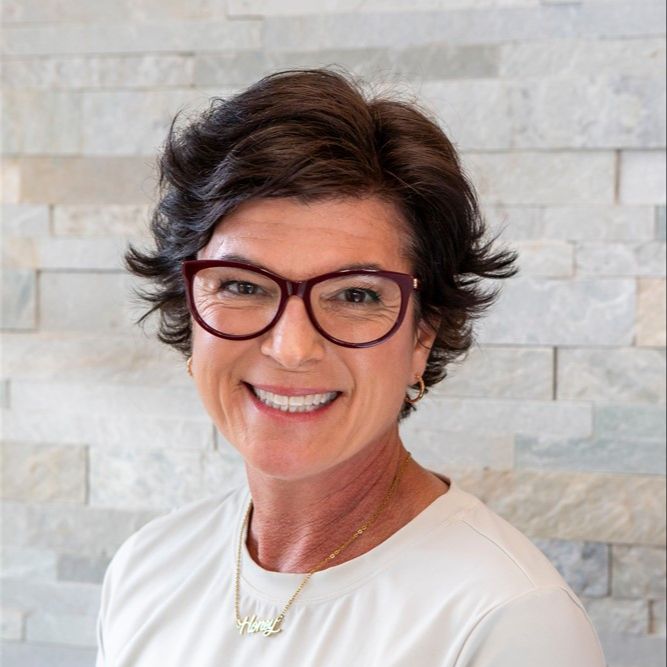
Kris Honeycutt
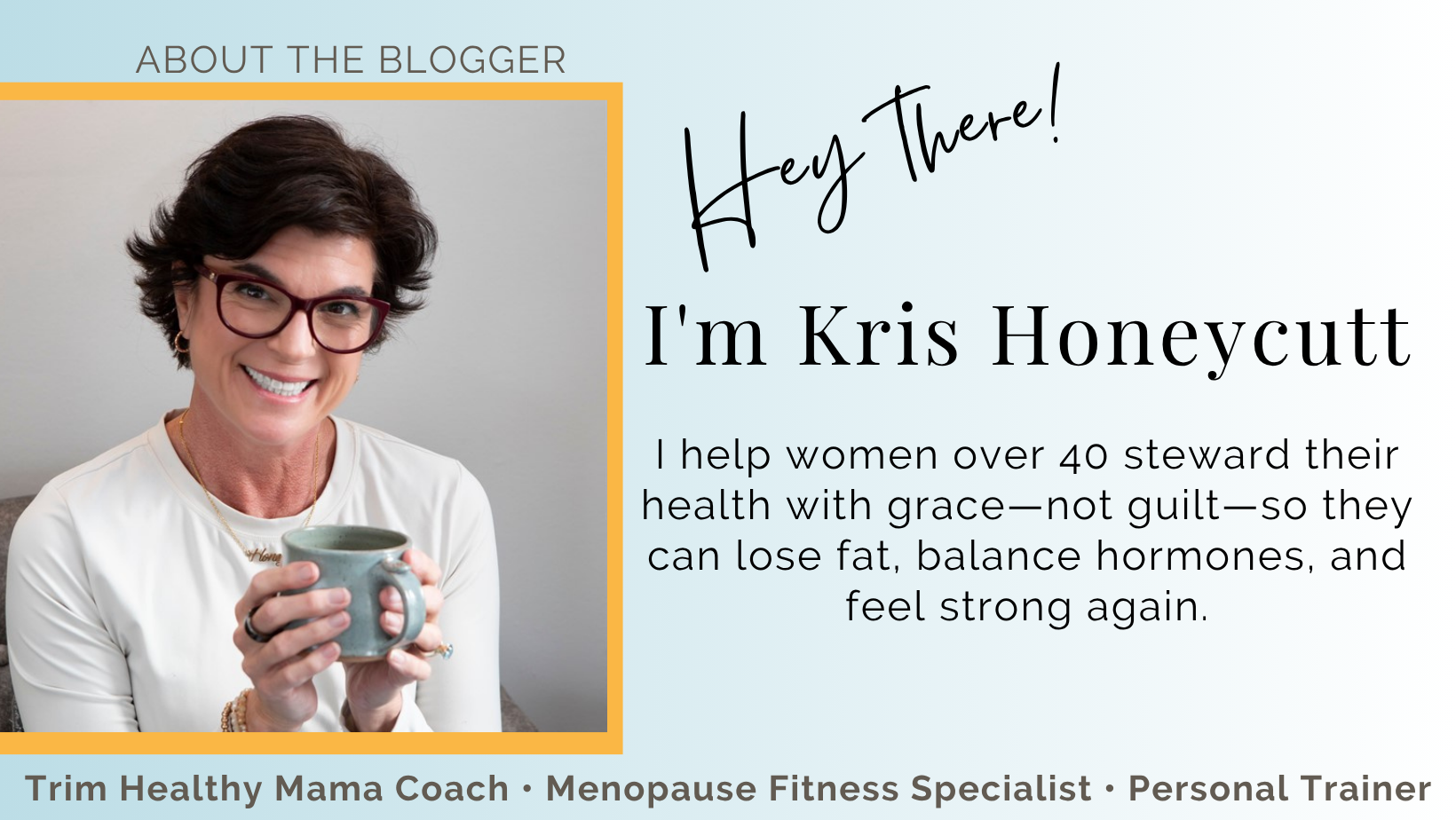
I’m a Trim Healthy executive coach, menopause fitness specialist, and personal trainer helping women over 40 lose stubborn weight, balance hormones, and feel confident in midlife bodies. Around here, we ditch diet drama and build real results—one wise, grace-filled step at a time.
Recent Posts

Join my Tribe today
How do you make Trim Healthy your lifestyle eating plan?
By getting community & coaching support.
Real change happens with accountability and habits. You get both inside Get Your Trim On Tribe Membership.
Get Your Trim On Store
Products that I have created to help you be successful in your Trim Healthy Mama journey.
What does Coach Kris buy from the THM store?
I am an official THM store affiliate and may earn a commission from purchases made through this link.
Baobab - Optimized Plant Protein - Optimized Whey Protein - Essential Amino Acids - No Carb Easy Bread
