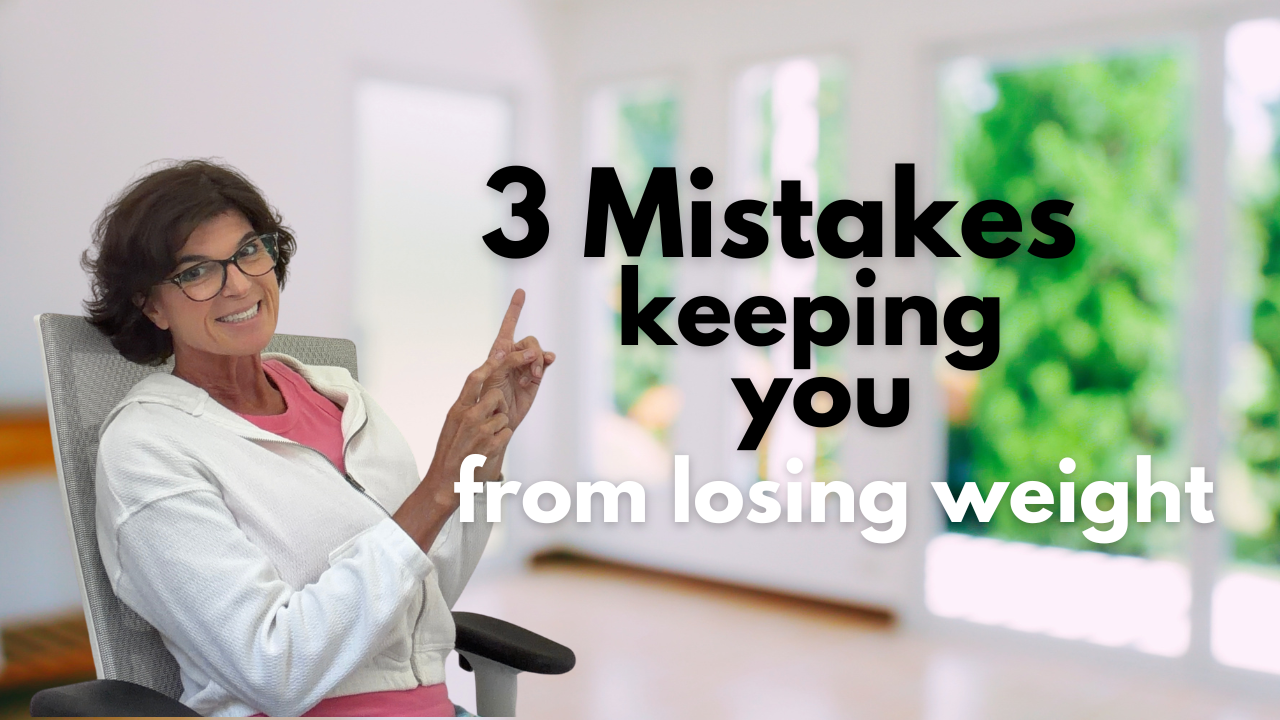
3 Protein Mistakes That Keep Women From Losing Weight
Apple Podcast - Spotify - YouTube
This post contains affiliate links, which means I may earn a small commission at no extra cost to you.
If you've been faithfully eating healthy, following Trim Healthy principles, and still wondering why the scale isn't moving, I want to encourage you today. It may not be because you're eating too many carbs. It may not be because your metabolism is "broken." And it may not even be because your hormones are working against you.
One of the most overlooked reasons women struggle to lose weight during perimenopause and menopause is simply not getting enough protein—or not eating it in the right way. I know because I've walked this road myself. As a certified personal trainer, menopause fitness specialist, and Trim Healthy Mama coach, I've watched hundreds of women make this one change and begin noticing fewer cravings, better energy, improved strength, and more success losing body fat without feeling deprived.
Today I want to share the three biggest protein mistakes I see women making every day and how a few simple adjustments can completely change the way your body responds.
Why Protein Matters More After 40
Something changes during perimenopause. As estrogen, progesterone, and testosterone begin to fluctuate and decline, your body becomes less efficient at building and maintaining muscle. Researchers call this anabolic resistance, which simply means your body requires more protein than it did in your twenties and thirties to create the same muscle-building response.
This matters because muscle isn't just about looking toned. Muscle helps regulate blood sugar, supports a healthy metabolism, improves insulin sensitivity, protects your independence as you age, and plays a huge role in reducing stubborn belly fat. Unfortunately, many women are actually eating less protein than they need while wondering why they're tired, hungry all the time, and unable to lose weight. The answer isn't eating less. The answer is often nourishing your body better.
Protein for Weight Loss Starts With Breakfast
The first mistake I see is starting the day with a carbohydrate-heavy breakfast and very little protein. Maybe it's oatmeal, toast, cereal, or maybe it's just coffee until late morning. Then by 10:30 you're hungry, reaching for snacks, and wondering why your cravings seem impossible to control.
Breakfast really does set the tone for your entire day. When you begin your morning with 25–30 grams of protein, you're giving your body the building blocks it needs to stabilize blood sugar, reduce cravings, support muscle, and improve energy throughout the day.
One of my favorite breakfasts is simple: Greek yogurt mixed with Optimized Protein Powder, fresh peaches, blueberries, a sprinkle of baobab for fiber, and a little low-sugar granola for crunch. Some mornings it's one of Aunt Pearl's muffins with chicken sausage on the side. Other days it's a protein smoothie when life feels busy. The goal isn't perfection—the goal is starting your day strong.
Mistake #1: You're Not Eating Enough Protein at Each Meal
Many women think they're eating plenty of protein because they're getting "a little" throughout the day. But when we actually calculate it, they're often falling far short. One egg contains only about six grams of protein, and a small amount of chicken on a salad might only provide fifteen grams. Even though nuts contain protein, they're primarily a healthy fat source—not a high-protein food.
For most women over 40, I recommend aiming for around 25–30 grams of protein at each meal. This is generally the amount needed to stimulate muscle protein synthesis, the process that helps your body repair and preserve lean muscle tissue. This becomes increasingly important during menopause when muscle loss naturally accelerates.
Build Muscle: How Much Protein Do You Really Need?
One of the questions I hear most often is, "to build muscle—how much protein do I actually need?" While everyone's needs vary depending on activity level, body size, and health goals, a practical starting point for most midlife women is around 25–30 grams of protein at each meal, spread throughout the day.
It's also important to understand the role of leucine. Leucine is one of the essential amino acids that acts like an "on switch" for muscle building. When you consume enough complete protein, you're also getting the essential amino acids your muscles need to repair and grow stronger. That's one reason why simply sprinkling a little chicken on your salad isn't always enough—your muscles are asking for a meaningful serving, not just a taste.
Mistake #2: Saving Most of Your Protein for Dinner
This one surprises many women. Breakfast is light, lunch is even lighter, and then dinner becomes one huge serving of meat. The problem is that your body doesn't store today's protein and use it tomorrow.
Research shows your muscles respond best when protein is distributed consistently throughout the day. Think about hitting your protein target four different times: breakfast, lunch, a protein-rich snack, and dinner. Each time you eat enough protein, you're giving your muscles another opportunity to repair, recover, and stay strong.
Instead of one giant meal, your body receives steady support throughout the day. That simple shift alone can improve satiety, reduce cravings, and support long-term fat loss.
Mistake #3: Focusing Only on Weight Loss Instead of Muscle
This may be the biggest mindset shift of all. So many women are still asking, "How can I eat less? How can I cut more calories? How can I make myself smaller?" But what if we asked different questions?
What if we asked how we can nourish our bodies today, support our hormones, protect our muscle, and fuel our energy? Everything changes when your goal becomes building and preserving muscle.
Muscle is metabolically active tissue—it burns energy around the clock, while fat tissue does not. The more muscle you maintain, the more metabolically resilient your body becomes. That's why protein for weight loss isn't really about weight loss at all. It's about giving your body the nutrients it needs to become healthier, stronger, and better equipped to burn fat naturally.
Stop Fighting Your Body
For years I approached health from a place of restriction. I was always asking what I needed to eliminate—more cardio, less food, more willpower. But when I entered perimenopause, my body simply wouldn't cooperate anymore.
It wasn't because my body had become my enemy. It was because my body needed something different. I had to stop fighting it and start partnering with it. That shift changed everything. Instead of punishing my body, I began learning how to support it, and that's exactly what I want for you.
A Biblical Perspective on Caring for Your Body
I often think about how beautifully God designed our bodies. He didn't create them to thrive under constant guilt, fear, or restriction. He designed them with incredible systems that respond to nourishment, movement, recovery, and rest.
When we begin viewing food as a gift instead of the enemy, we move from striving to stewardship. We're no longer chasing a smaller body—we're caring for the one God entrusted to us. That perspective brings peace, and peace creates consistency.
One Simple Step This Week
If all of this feels overwhelming, don't try to change everything. Just look at breakfast and ask yourself, Am I getting 25–30 grams of protein within the first hour or two after waking?
If not, start there. One intentional change can create a ripple effect through the rest of your day—more stable blood sugar, fewer cravings, better energy, stronger muscles, and greater consistency. Sometimes the smallest habit becomes the biggest breakthrough.
Friend, remember this: your body isn't asking you to punish it. It's asking you to nourish it. And when you do, you'll discover that lasting fat loss isn't built on deprivation—it's built on giving your body exactly what it needs to thrive.
Wondering what to eat to actually hit your protein goals without overthinking every meal? Inside the Belly Fat Breakthrough Membership, I'll show you exactly how to build simple, satisfying meals that support fat loss, muscle, and hormone health—one step at a time. If you're tired of guessing and ready for a clear plan, I'd love to coach you inside.
Ready for more real talk, fat loss tips, and hormone support made for midlife women?
Author
Kris Honeycutt
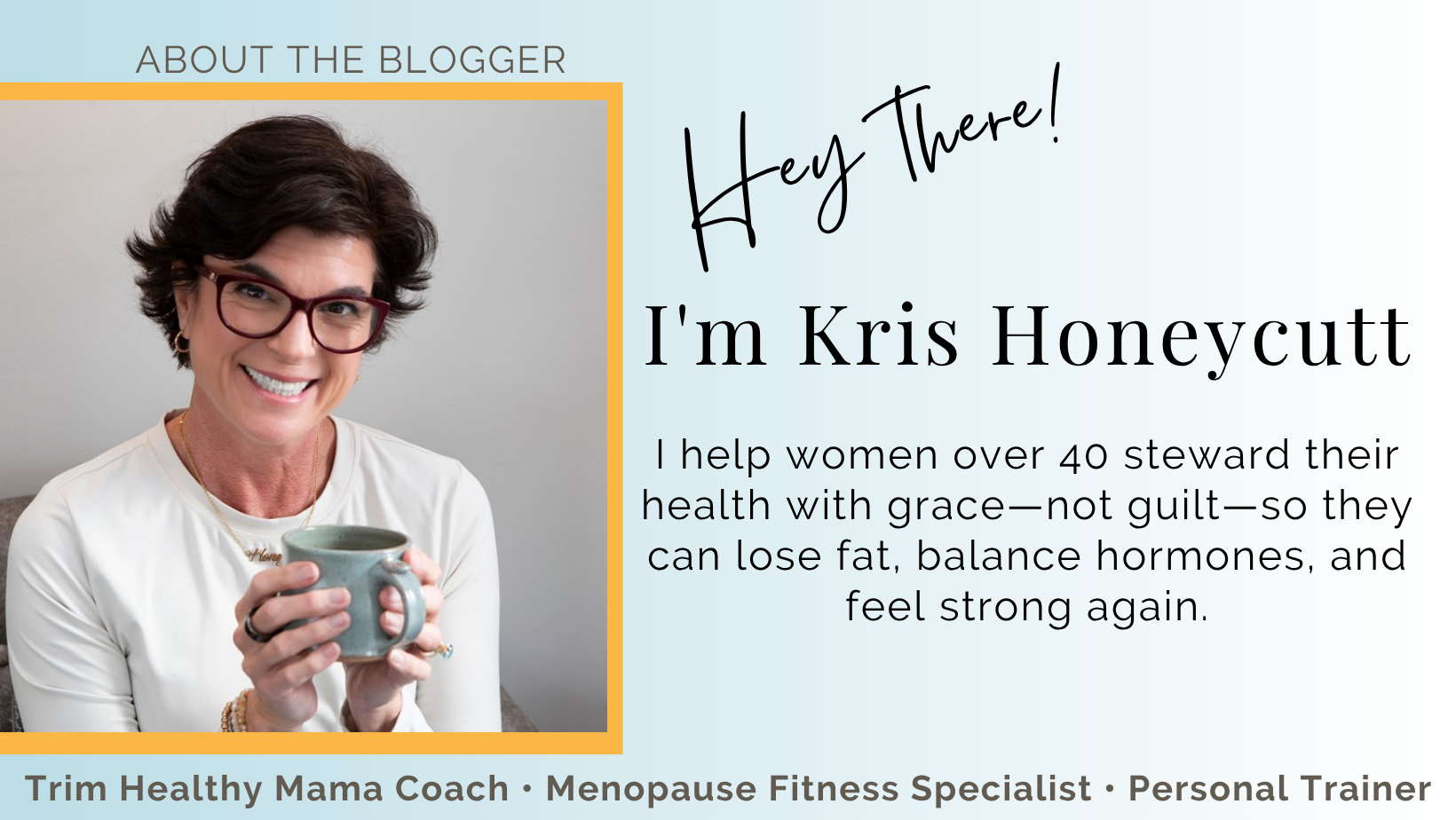
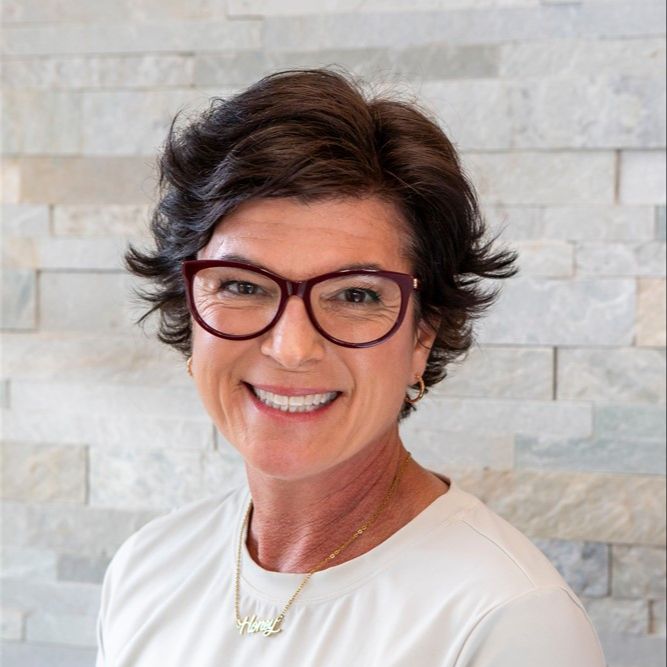
I’m a Trim Healthy executive coach, menopause fitness specialist, and personal trainer helping women over 40 lose stubborn weight, balance hormones, and feel confident in midlife bodies. Around here, we ditch diet drama and build real results—one wise, grace-filled step at a time.
Recent Posts

Join my Tribe today
How do you make Trim Healthy your lifestyle eating plan?
By getting community & coaching support.
Real change happens with accountability and habits. You get both inside Get Your Trim On Tribe Membership.
Get Your Trim On Store
Products that I have created to help you be successful in your Trim Healthy Mama journey.
What does Coach Kris buy from the THM store?
I am an official THM store affiliate and may earn a commission from purchases made through this link.
Baobab - Optimized Plant Protein - Optimized Whey Protein - Essential Amino Acids - No Carb Easy Bread
